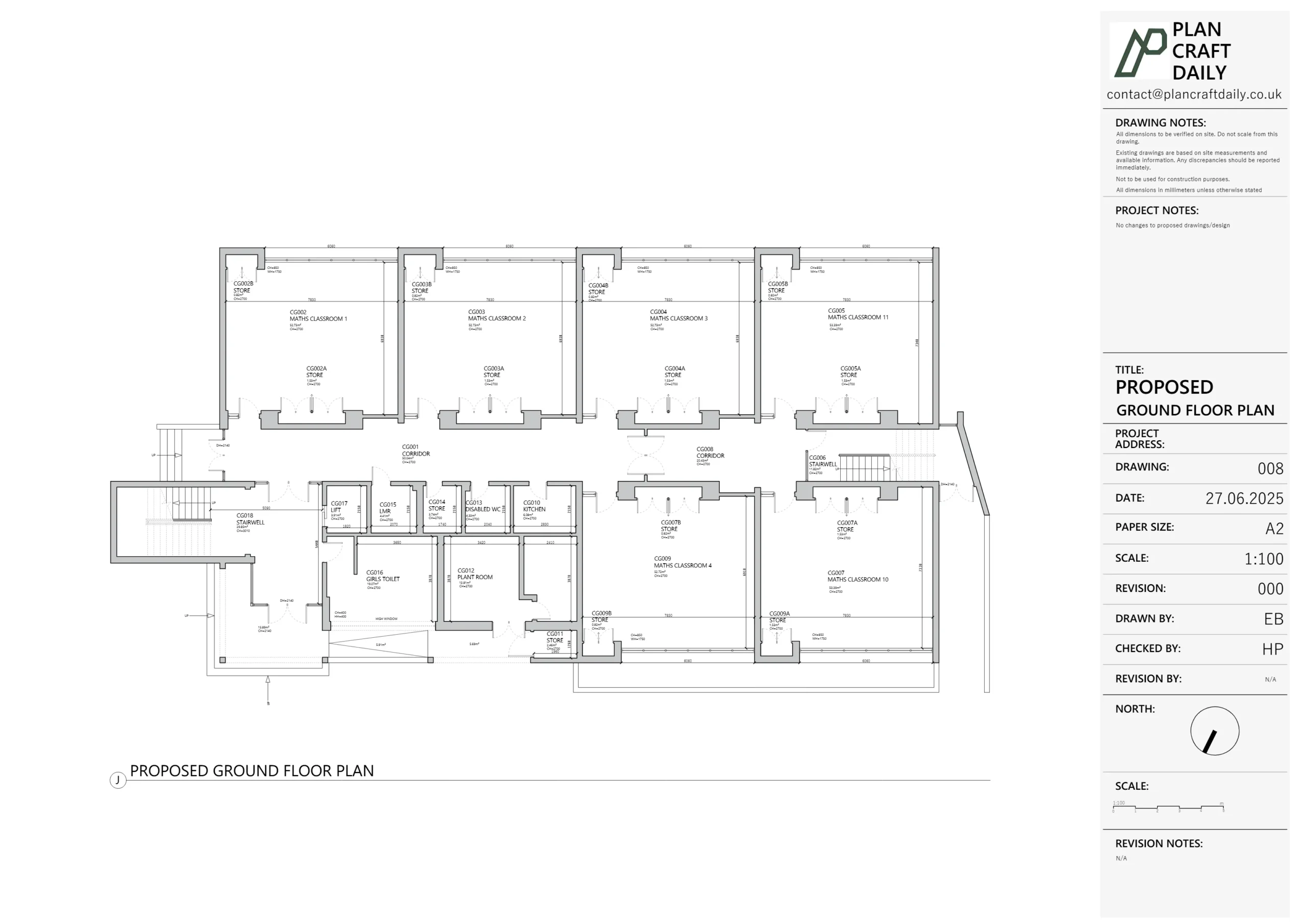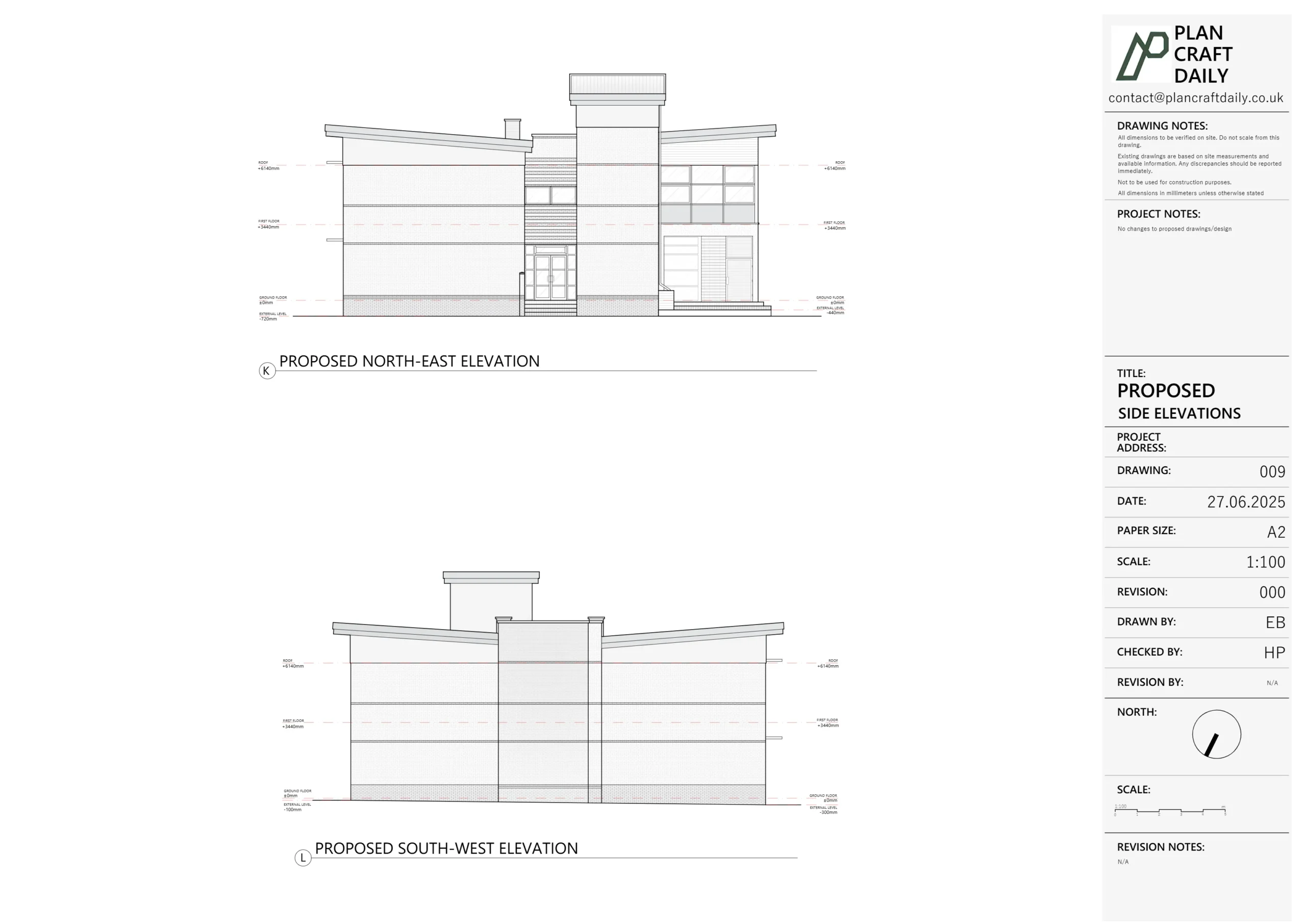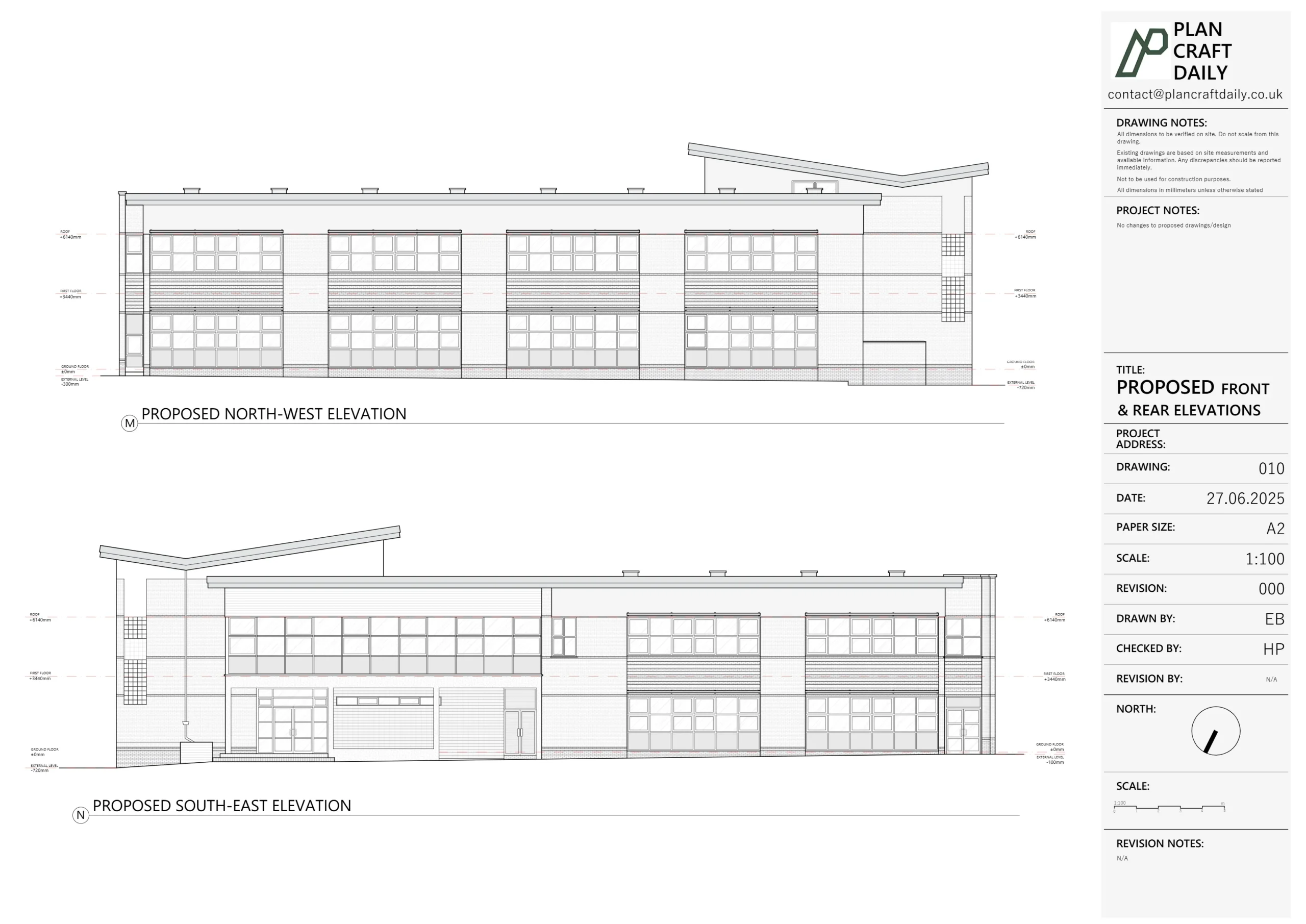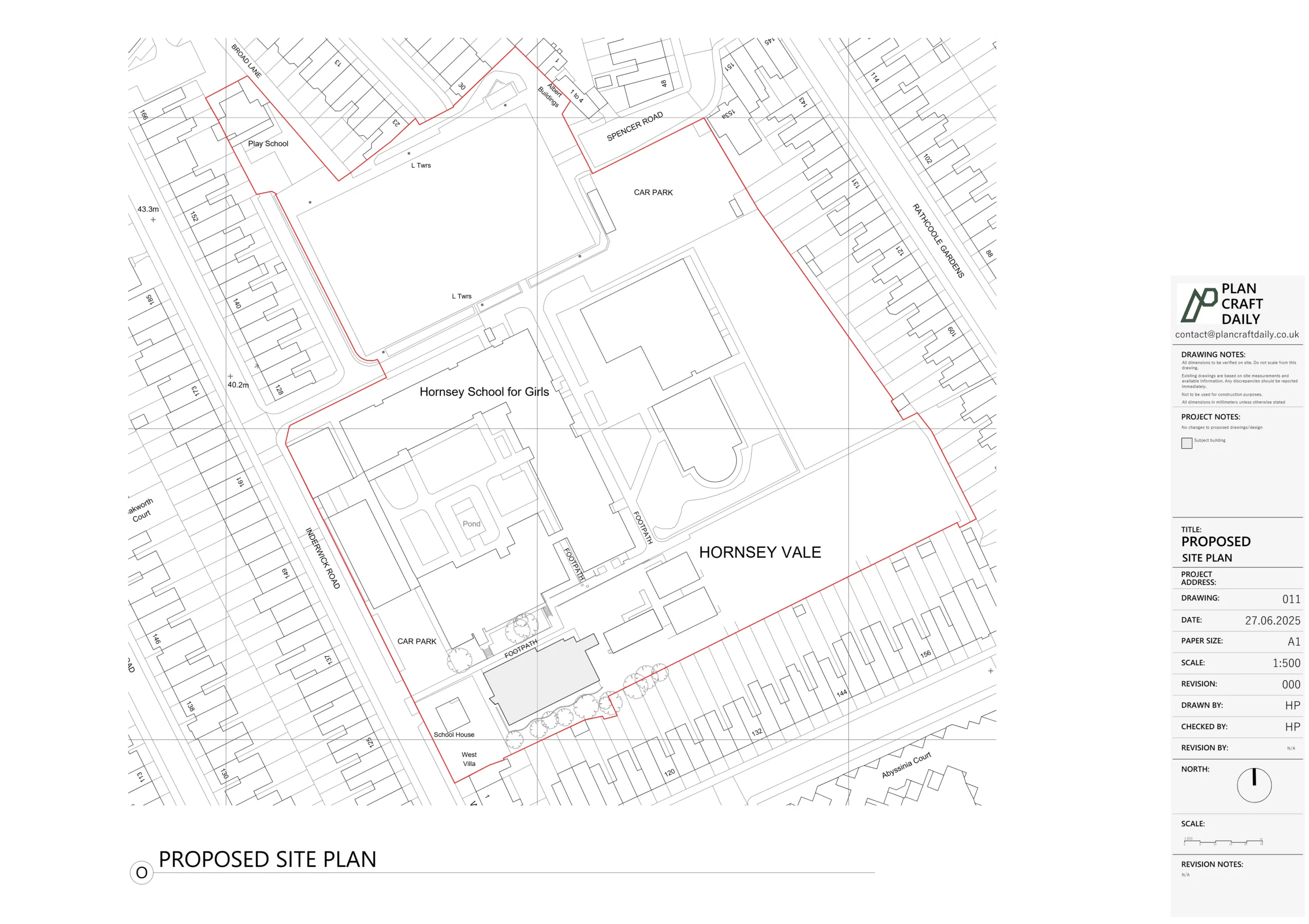
Why Land Registry-Compliant Plans Are Important for Building Homes
Land Registry Compliant Plans are not just routine in the UK’s highly controlled real estate market; they are a legal requirement that provides developers and buyers with the confidence to move forward. Ensuring your plans comply with Land Registry regulations is essential to avoid delays, disputes, or even legal penalties, whether building new homes, purchasing land, or altering existing properties.
Learning About Land Registry Compliance
What Does a Land Registry-Compliant Plan Need?
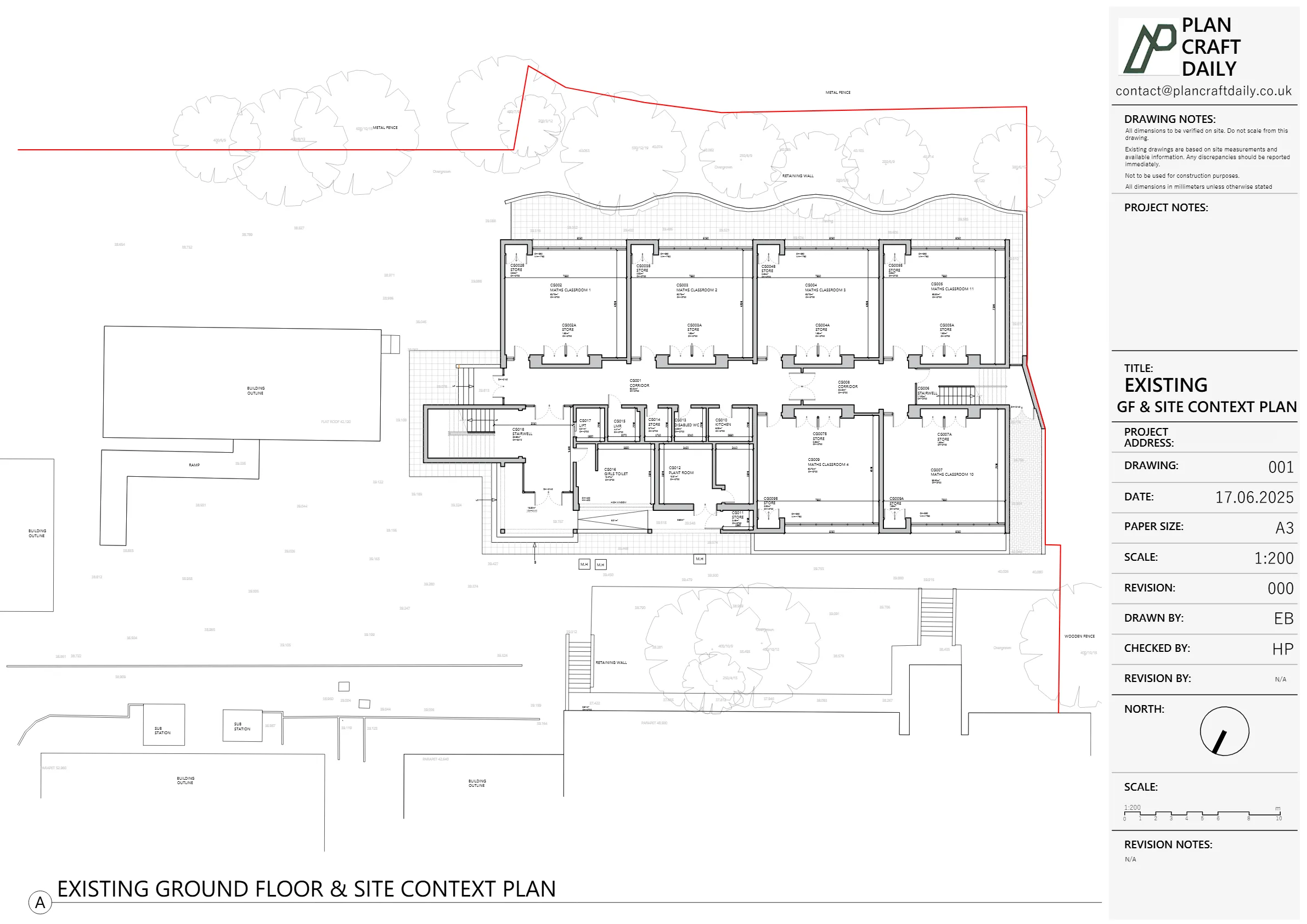
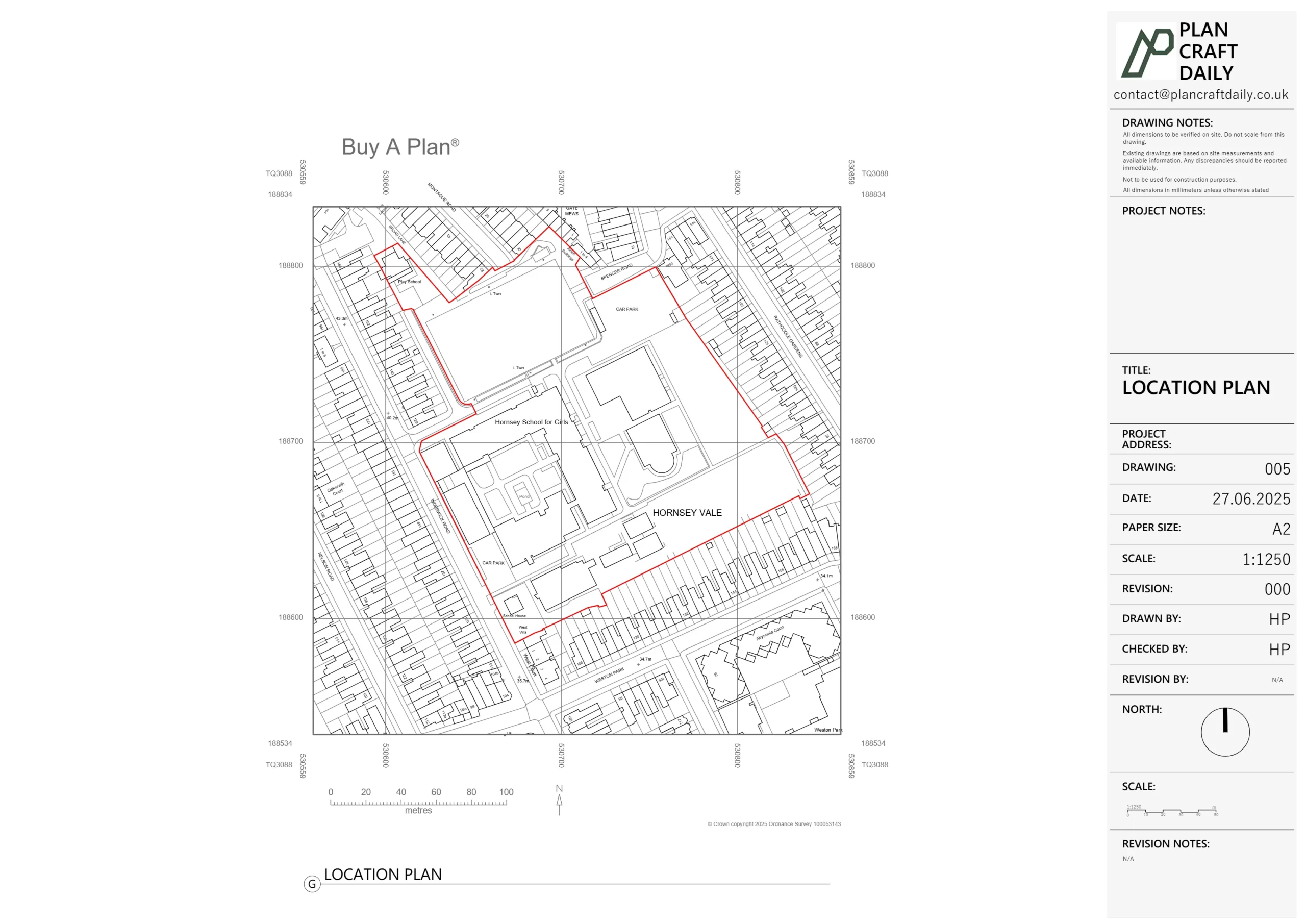
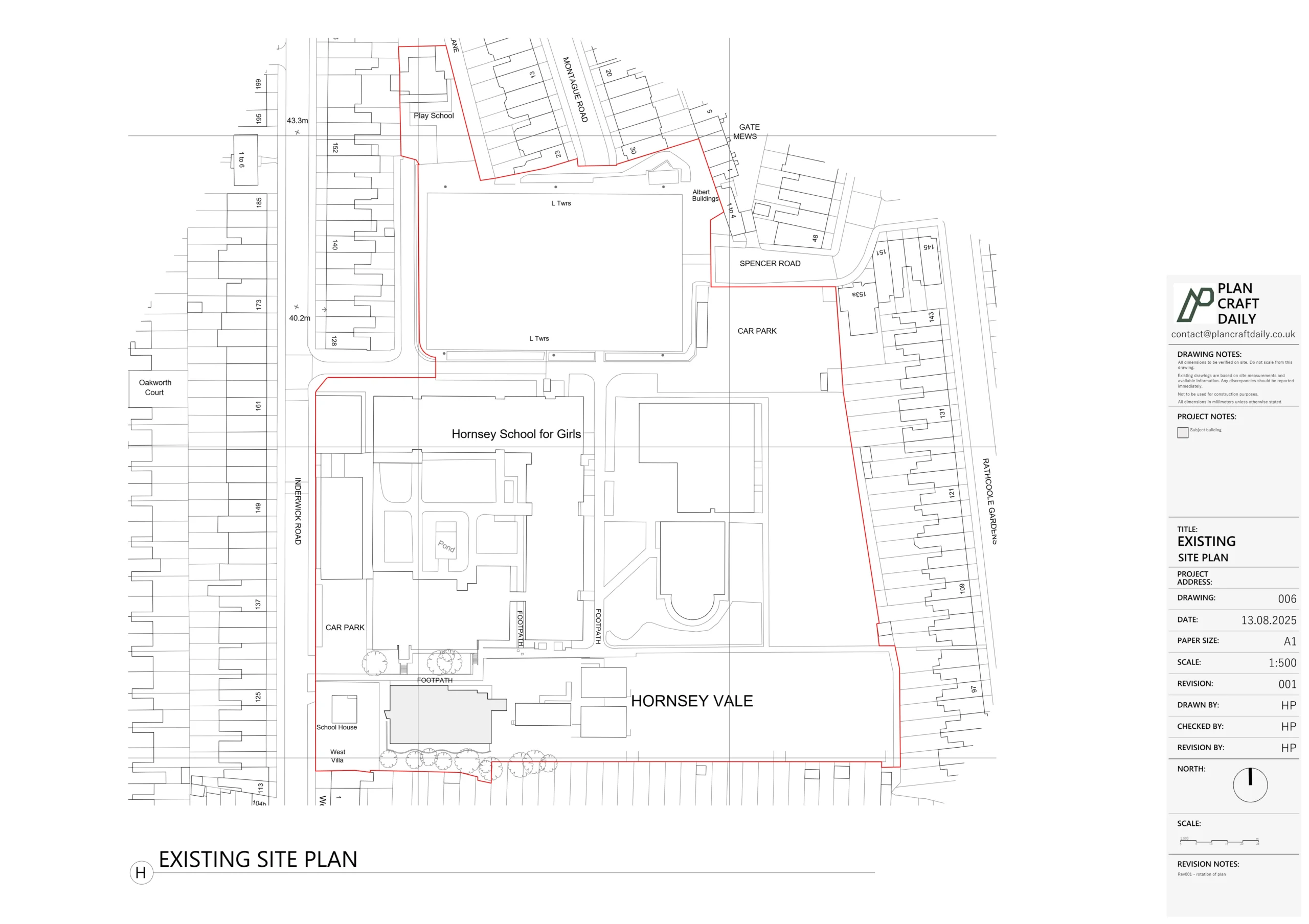
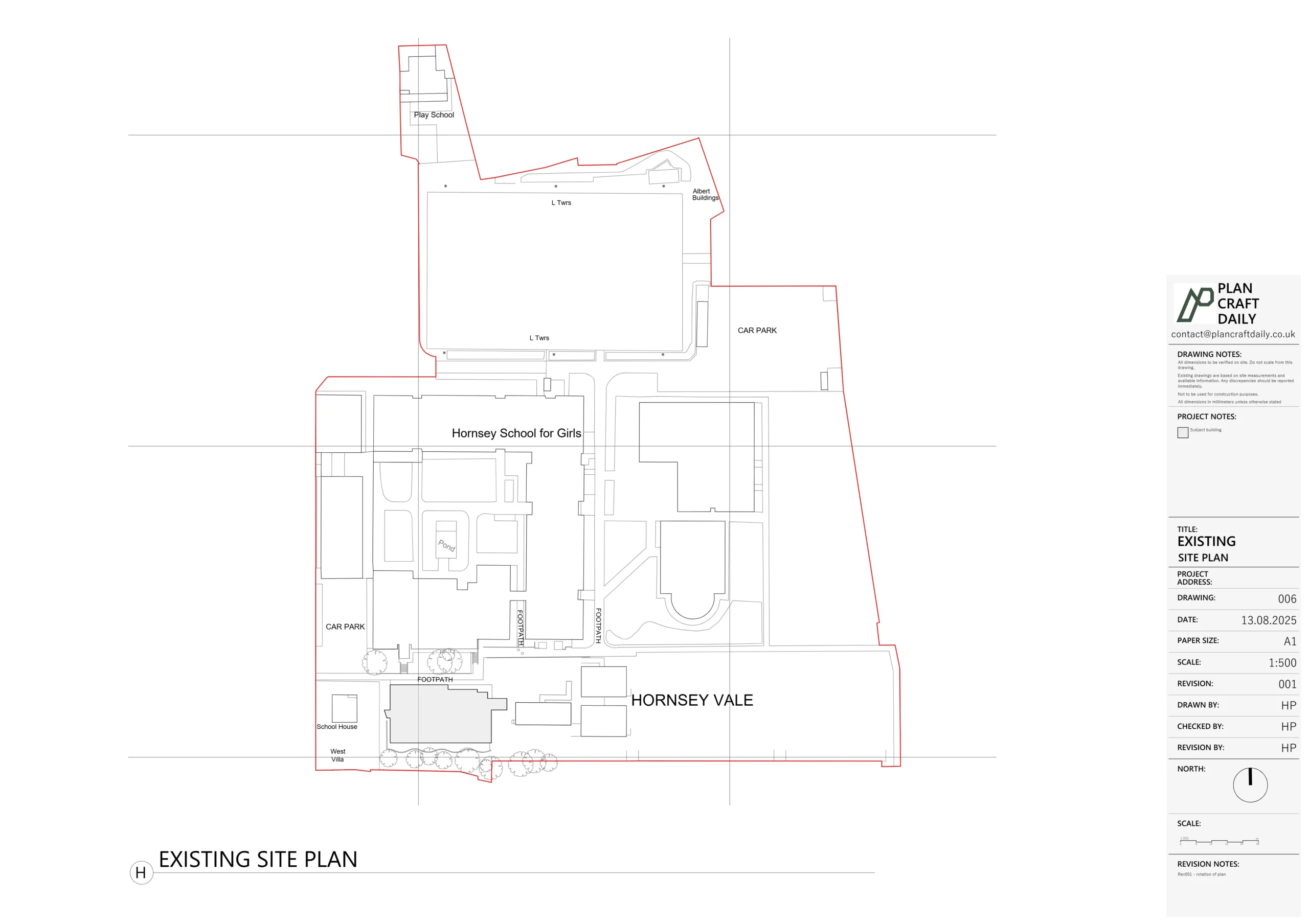
A Land Registry Compliant Plan must adhere to specific legal standards set by the UK Land Registry. These plans are used for filing and must accurately depict a property’s boundaries, access routes, and any relevant shared areas. Compliance requirements include:
Correct scale and clear depiction of boundaries.
Proper labeling and orientation.
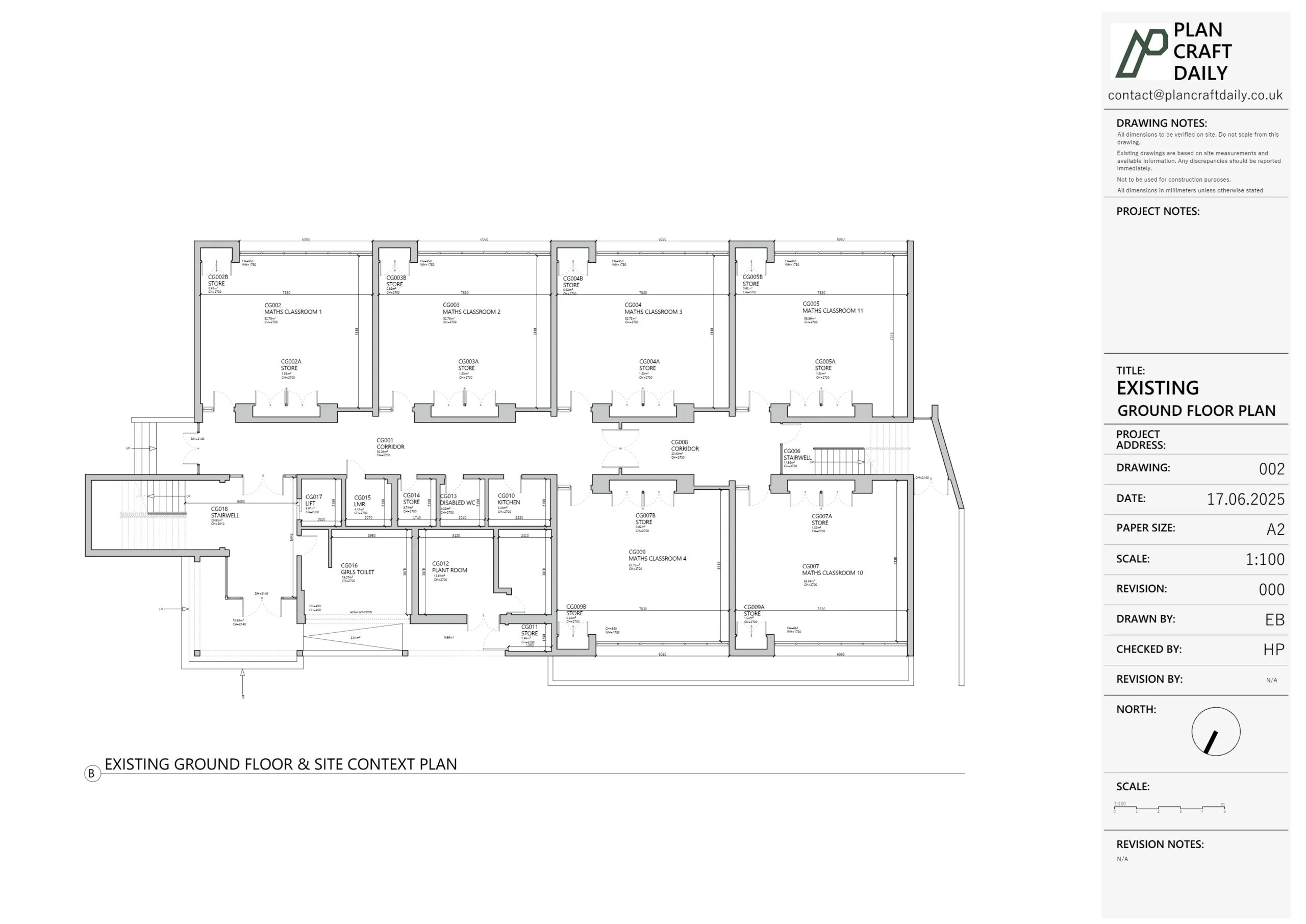
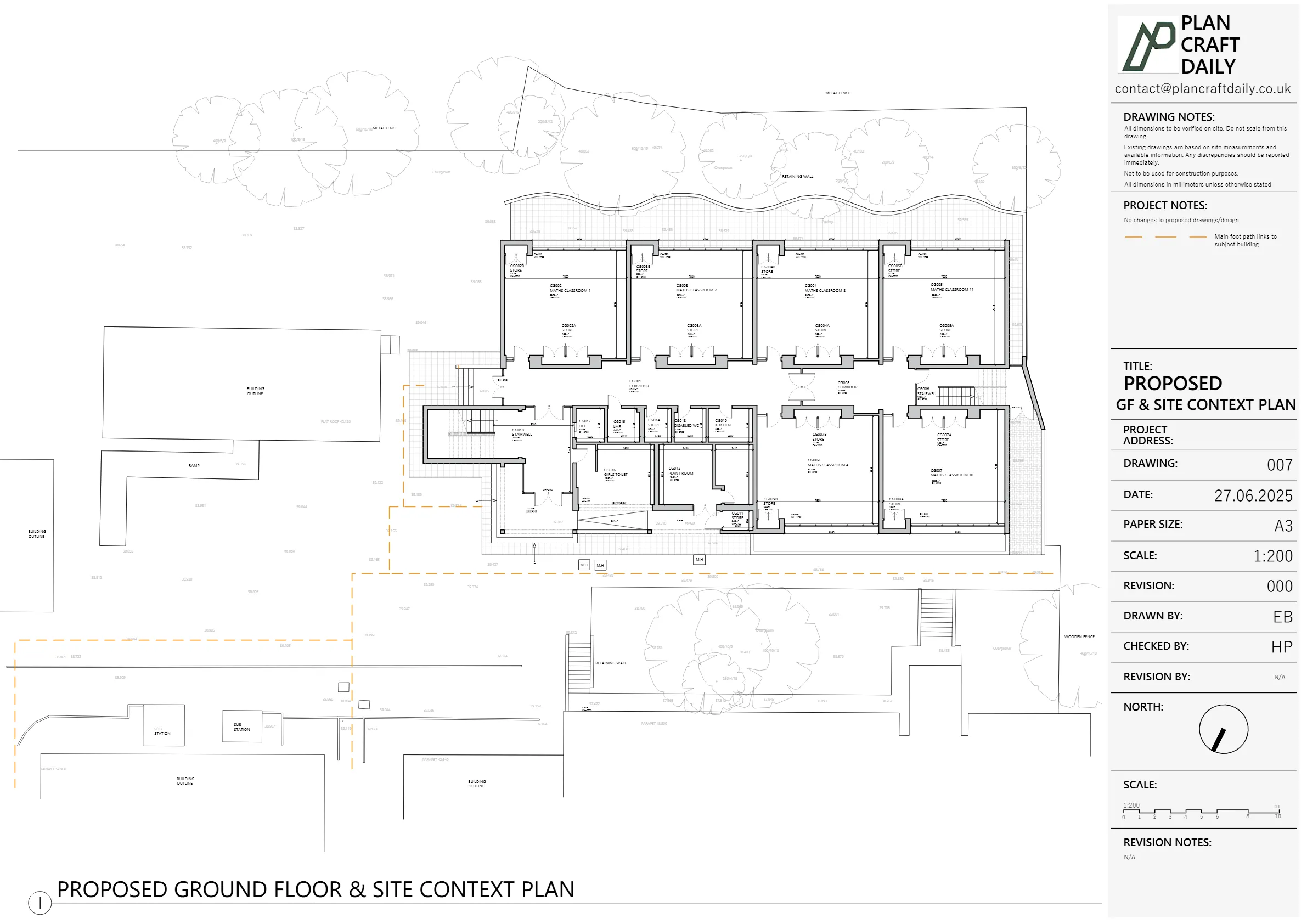
Accurate representation of features impacting the property.
Incomplete or inaccurate plans can lead to rejected applications, delays in property transactions, or costly modifications for developers and investors.
Legal Effects of Non-Compliance
Failure to submit compliant plans can result in significant legal challenges, including:
Delayed property transactions.
Jeopardized business agreements.
Disrupted project timelines.
Expensive revisions and potential court disputes over boundary issues.
For property developers and investors, avoiding these pitfalls is crucial to maintaining operational efficiency.
The Role of Land Registry-Compliant Plans in Property Development
Ensuring Legal Ownership and Investment Security
Land Registry Compliant Plans are essential for ensuring legal ownership and safeguarding investments. These plans serve as binding legal documents, accurately defining property boundaries and protecting against future disputes.
Streamlining Property Transactions
Compliant plans expedite the property transaction process by fulfilling legal requirements upfront. Whether buying, selling, or leasing, having a Land Registry Compliant Plan ensures clarity regarding boundaries and access points, minimizing the risk of delays or disputes.
Key Features of a Land Registry-Compliant Plan
Accurate Boundaries and Dimensions
Precise boundaries and measurements are fundamental to compliance. Plans must clearly define property size and include shared areas, rights of way, or communal spaces. Errors can lead to application rejection or future disputes, incurring significant costs and time.
Proper Scale and Orientation
Compliant plans must adhere to appropriate scales (e.g., 1:500 or 1:1250) depending on the property size. Clear orientation with a north point ensures that the plan is user-friendly and legally valid.
Adhering to Land Registry Standards
Plans must:
Be properly labeled.
Indicate access points.
Depict relevant physical features. These standards ensure accessibility and comprehension for all stakeholders, including legal professionals and inspectors.
Why Hire Professionals for Land Registry-Compliant Plans?
Expertise in Legal Compliance
Professional architectural firms in the UK possess the expertise to create Land Registry Compliant Plans. Their knowledge of regulations ensures that plans meet all legal requirements, reducing the risk of delays or non-compliance.
Reducing Legal Disputes
Professionally prepared plans minimize the risk of future disputes by providing clear and accurate property descriptions. This clarity protects property rights and mitigates costly legal conflicts.
Impact of Land Registry-Compliant Plans on Property Investments
Building Investor Confidence
Compliant plans offer peace of mind to investors by safeguarding their financial interests. By meeting all legal standards, they assure investors that no hidden issues could affect the property’s value or project feasibility.
Enhancing Property Value and Marketability
Properties with Land Registry Compliant Plans are more attractive to buyers and tenants. These plans demonstrate that legal considerations have been addressed, increasing property value and facilitating smoother transactions.
Best Practices for Creating Land Registry-Compliant Plans
Engaging Experienced Architects and Surveyors
Collaborating with skilled professionals ensures that plans are accurate and meet all legal requirements. Their expertise prevents costly errors and delays.
Regular Updates and Revisions
As properties evolve, plans must be updated to reflect changes such as extensions or boundary adjustments. Regular revisions ensure ongoing compliance and mitigate future legal risks.
Clear Communication with Legal Teams
Maintaining open communication with legal teams is vital. Solicitors play a key role in submitting compliant plans, and aligning all stakeholders ensures a smooth registration process.
Conclusion: The Essential Role of Land Registry-Compliant Plans
Land Registry Compliant Plans are indispensable for property developers and investors in the UK. They facilitate smooth transactions, ensure legal ownership, and protect against costly disputes. By investing in professional services and adhering to best practices, businesses can secure their investments and enhance the marketability of their properties.
Key Takeaways
Land Registry Compliant Plans are mandatory for property transactions and developments.
Accurate boundaries, dimensions, and access points reduce legal risks.
Professional services ensure compliance and protect against future issues.
Regular updates and clear communication support ongoing compliance.
Investing in accurate, legally compliant plans enables developers and investors to navigate the complexities of the UK property market successfully, ensuring legal security and operational efficiency.