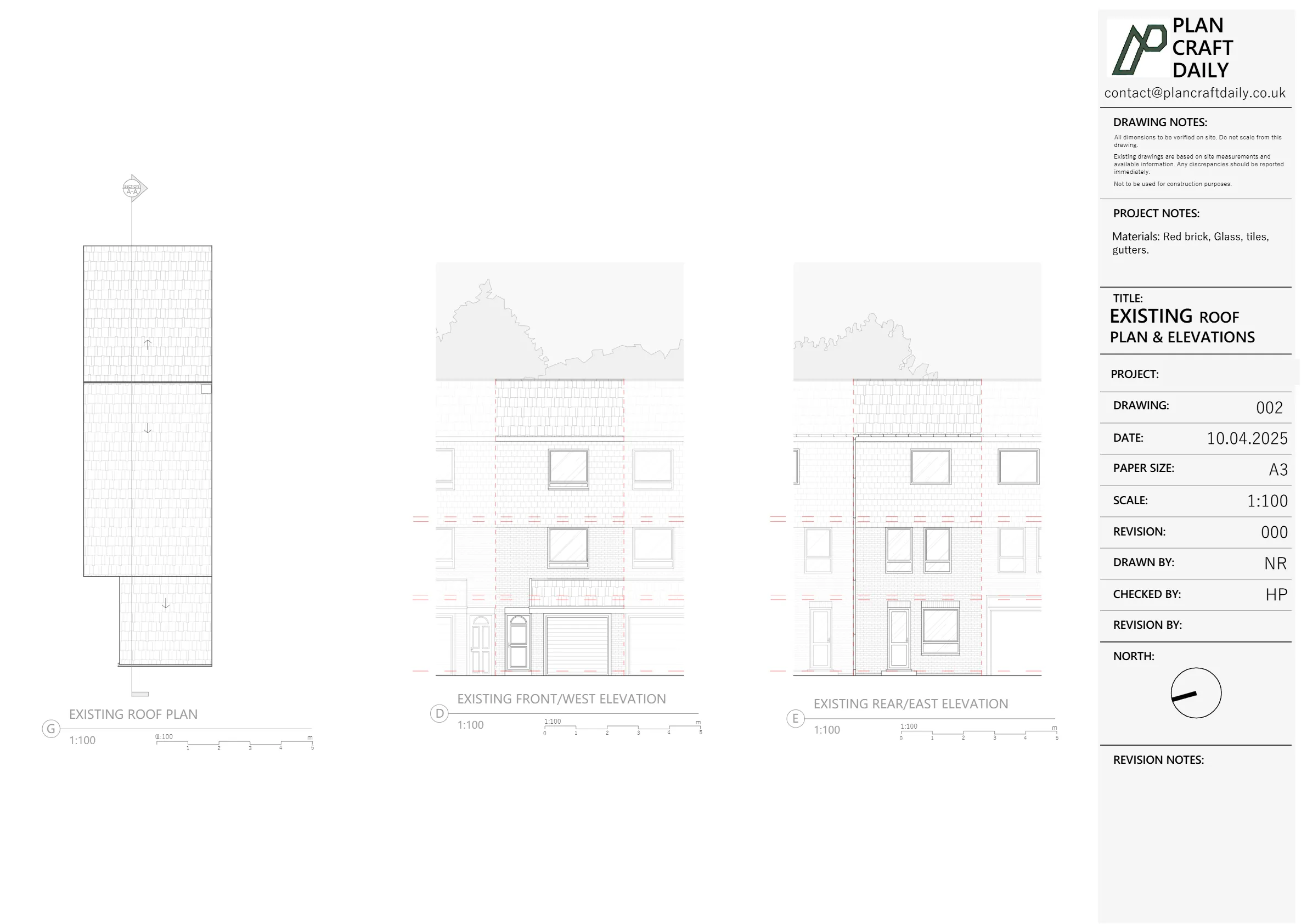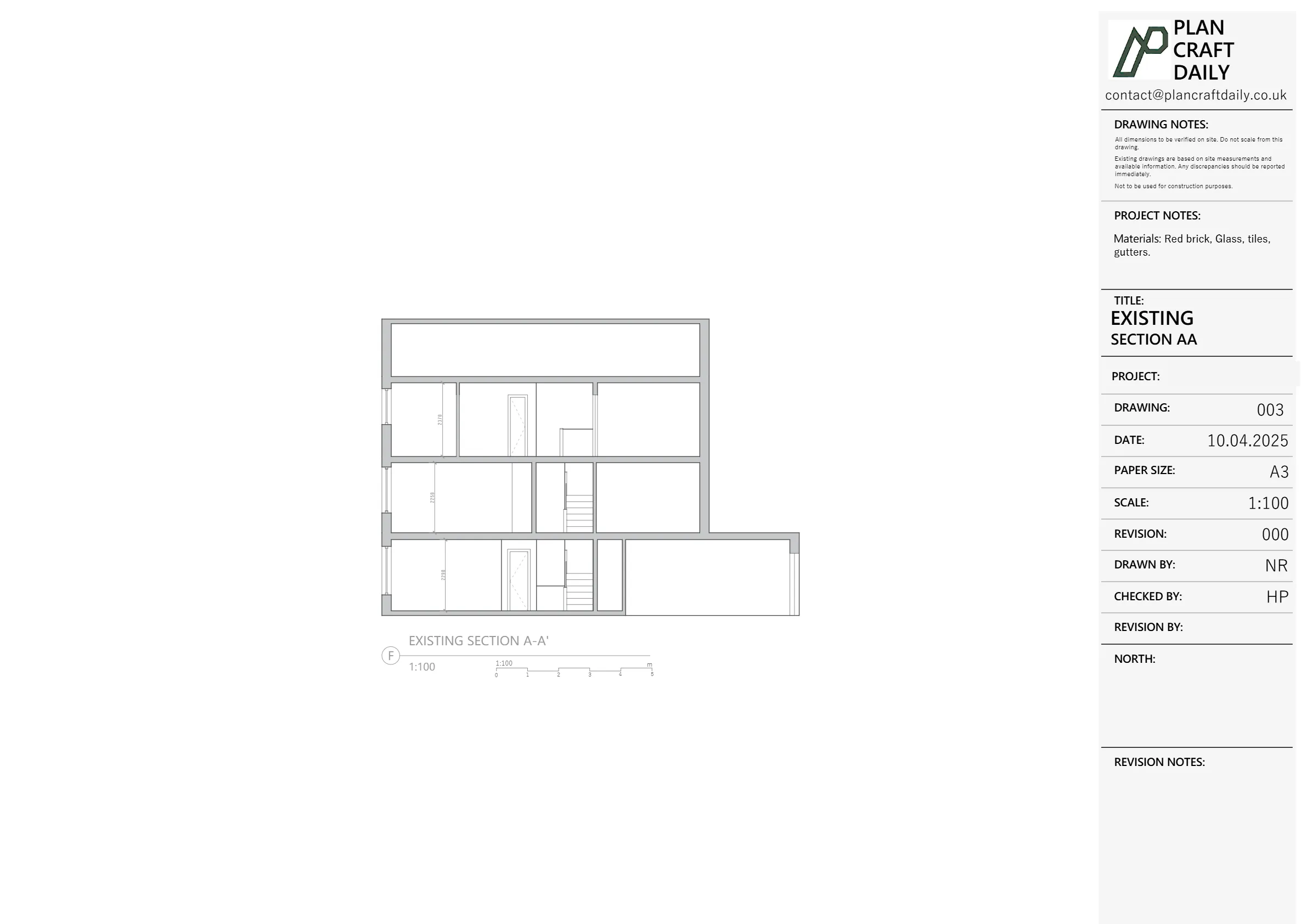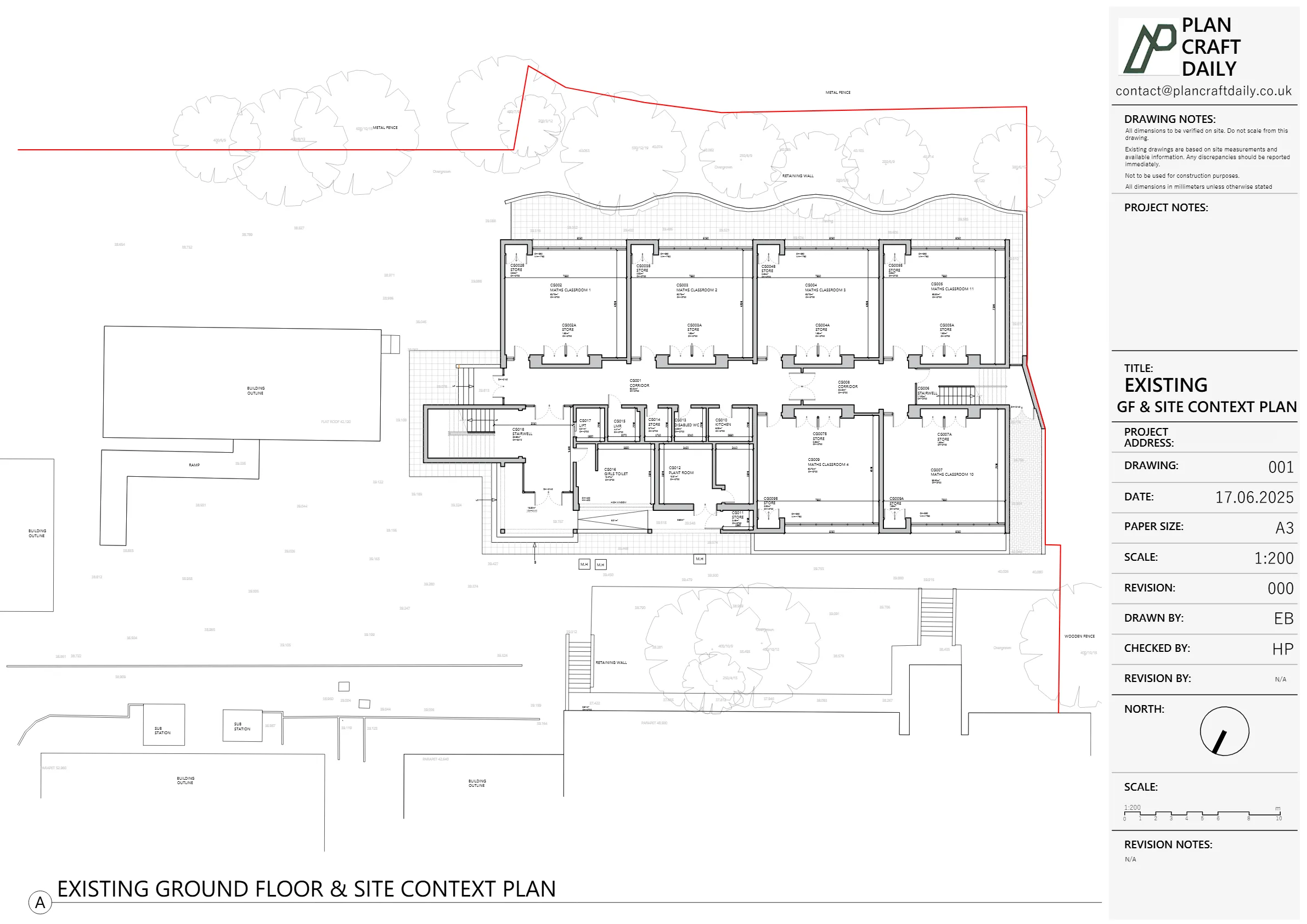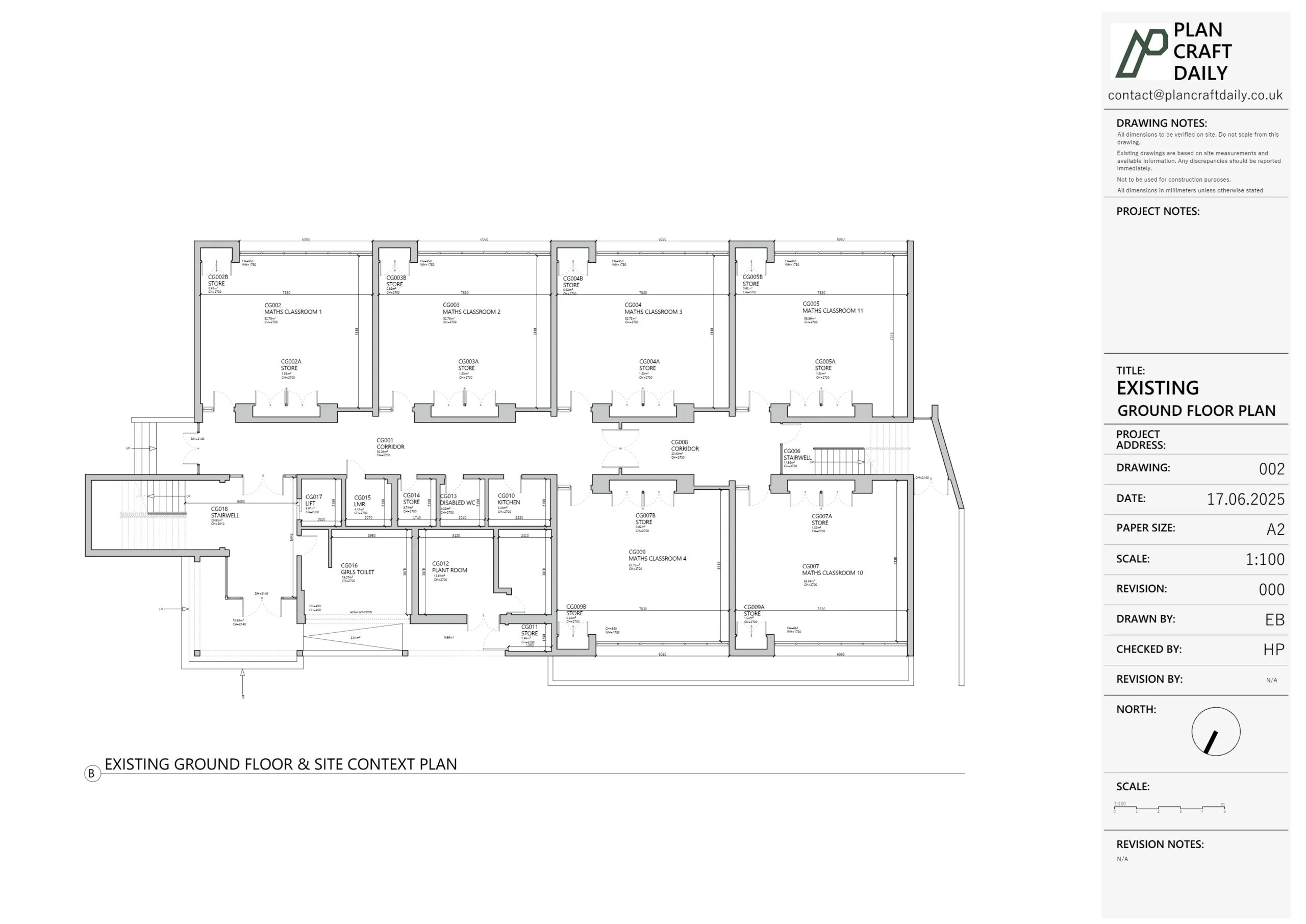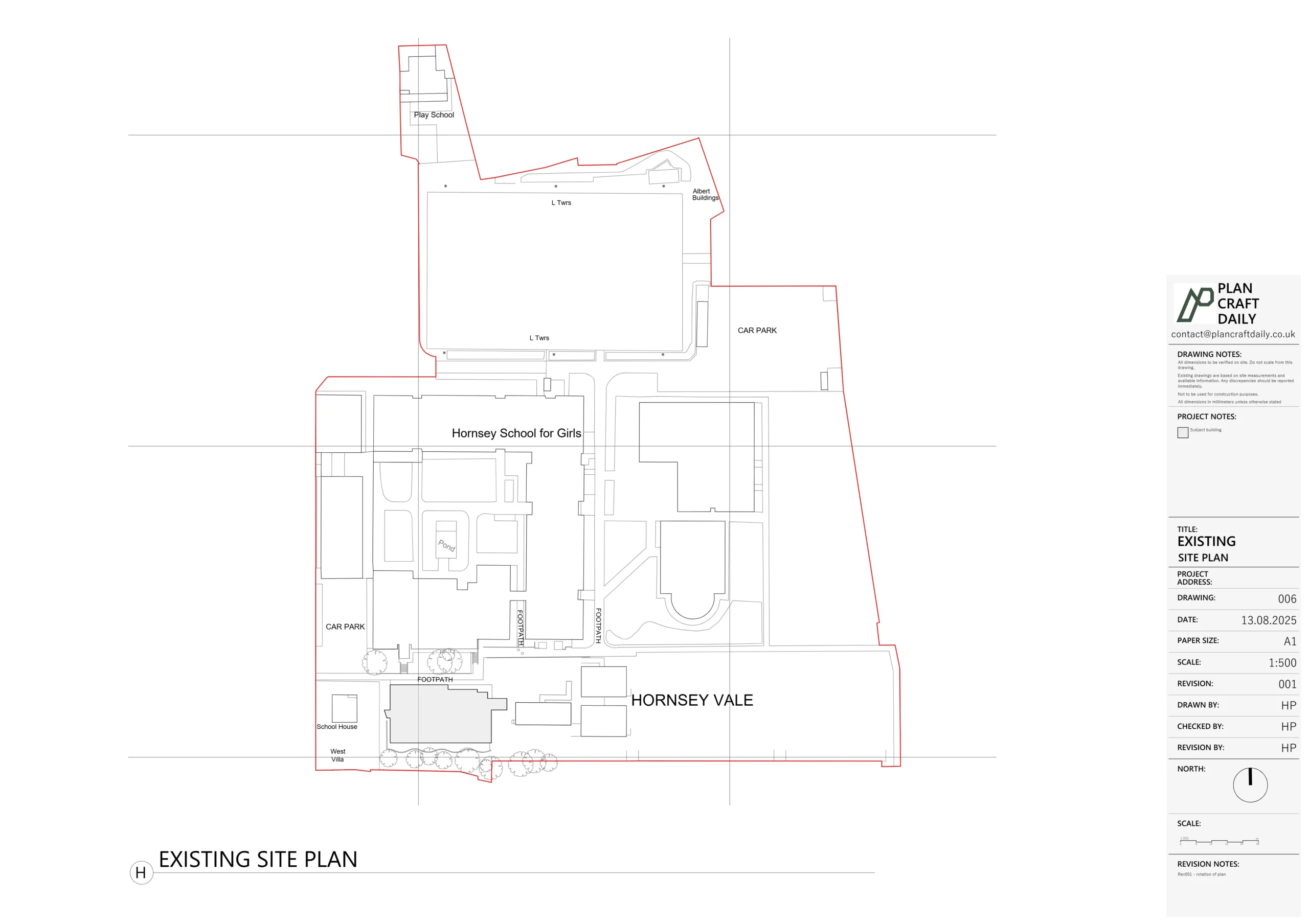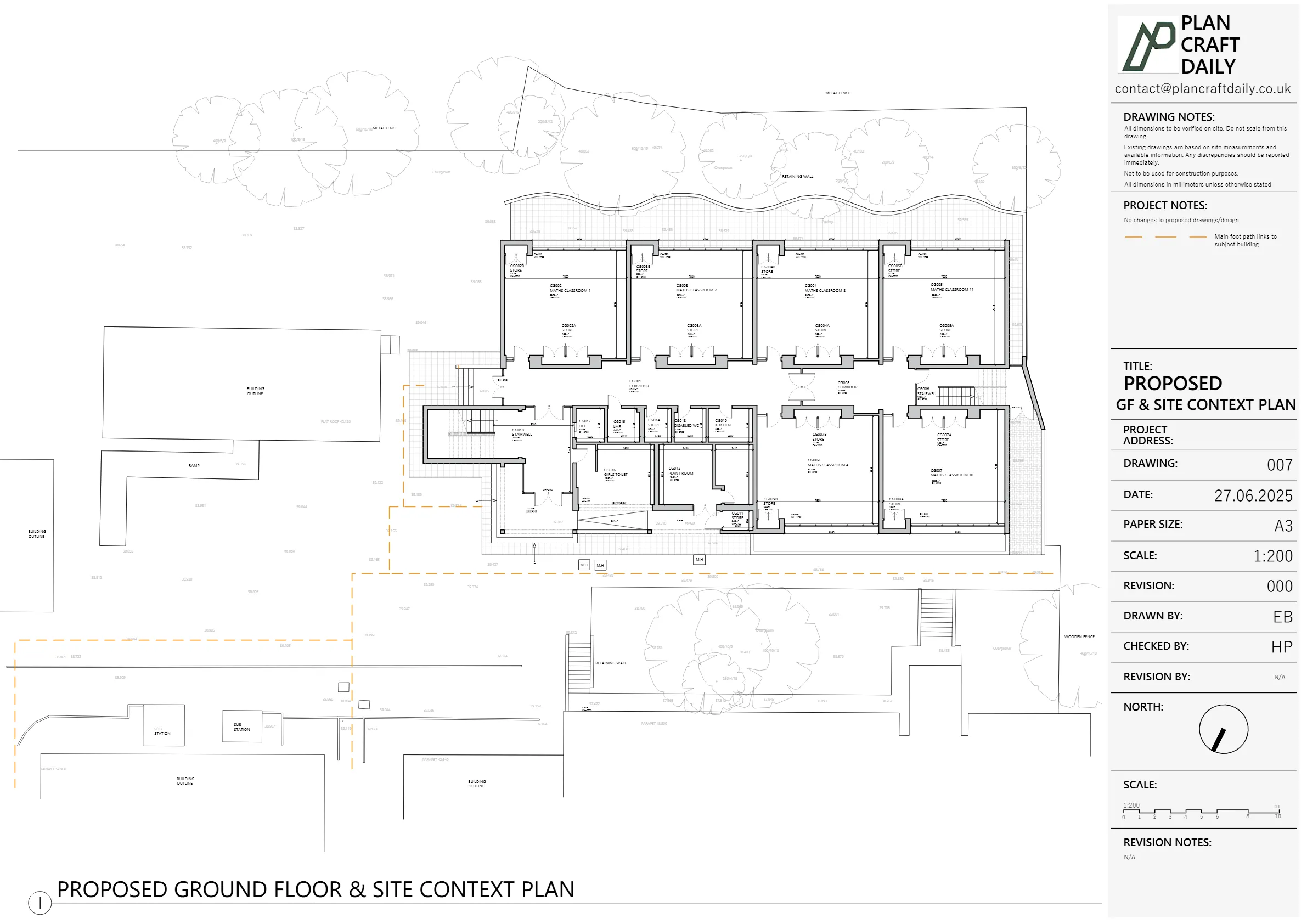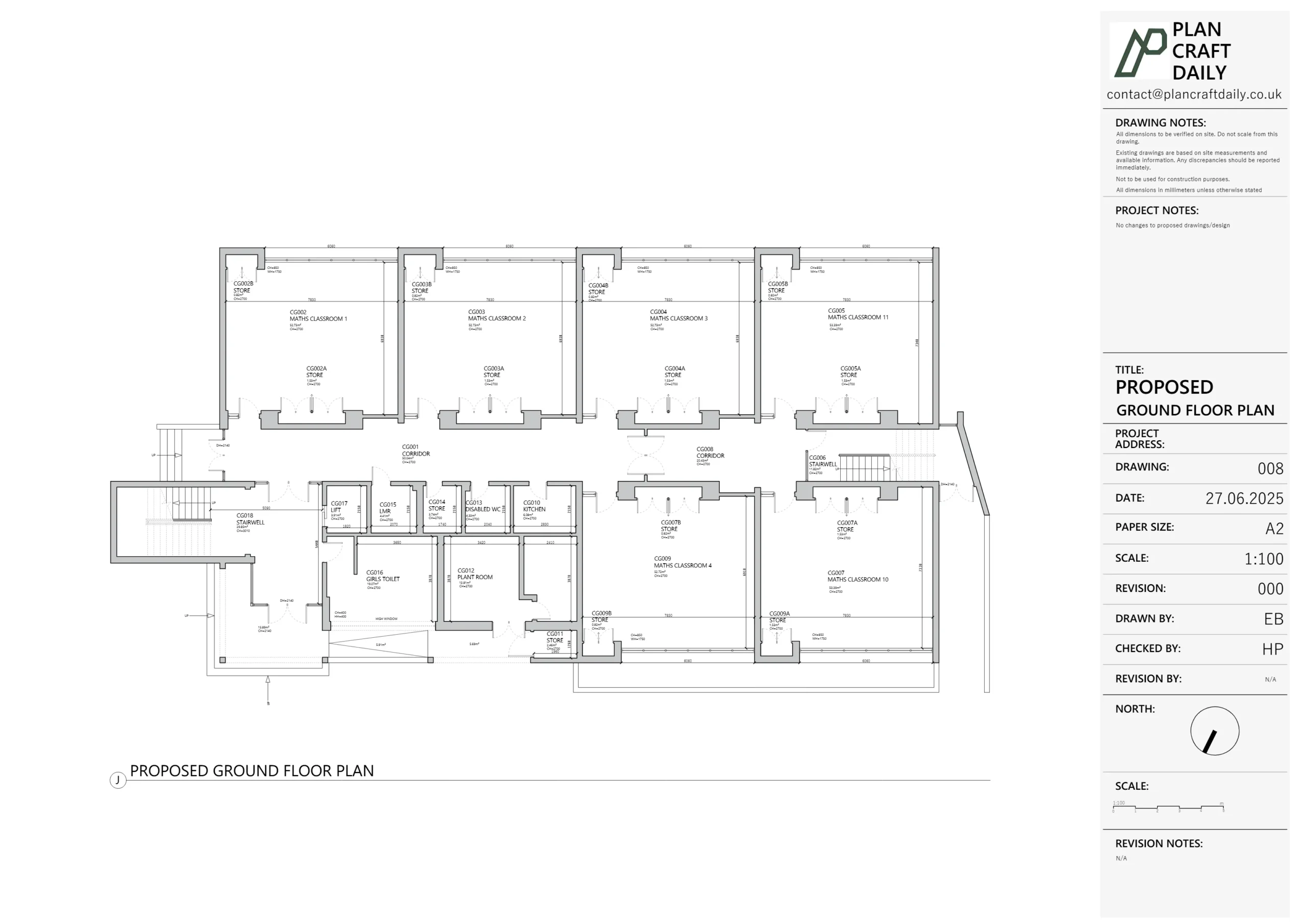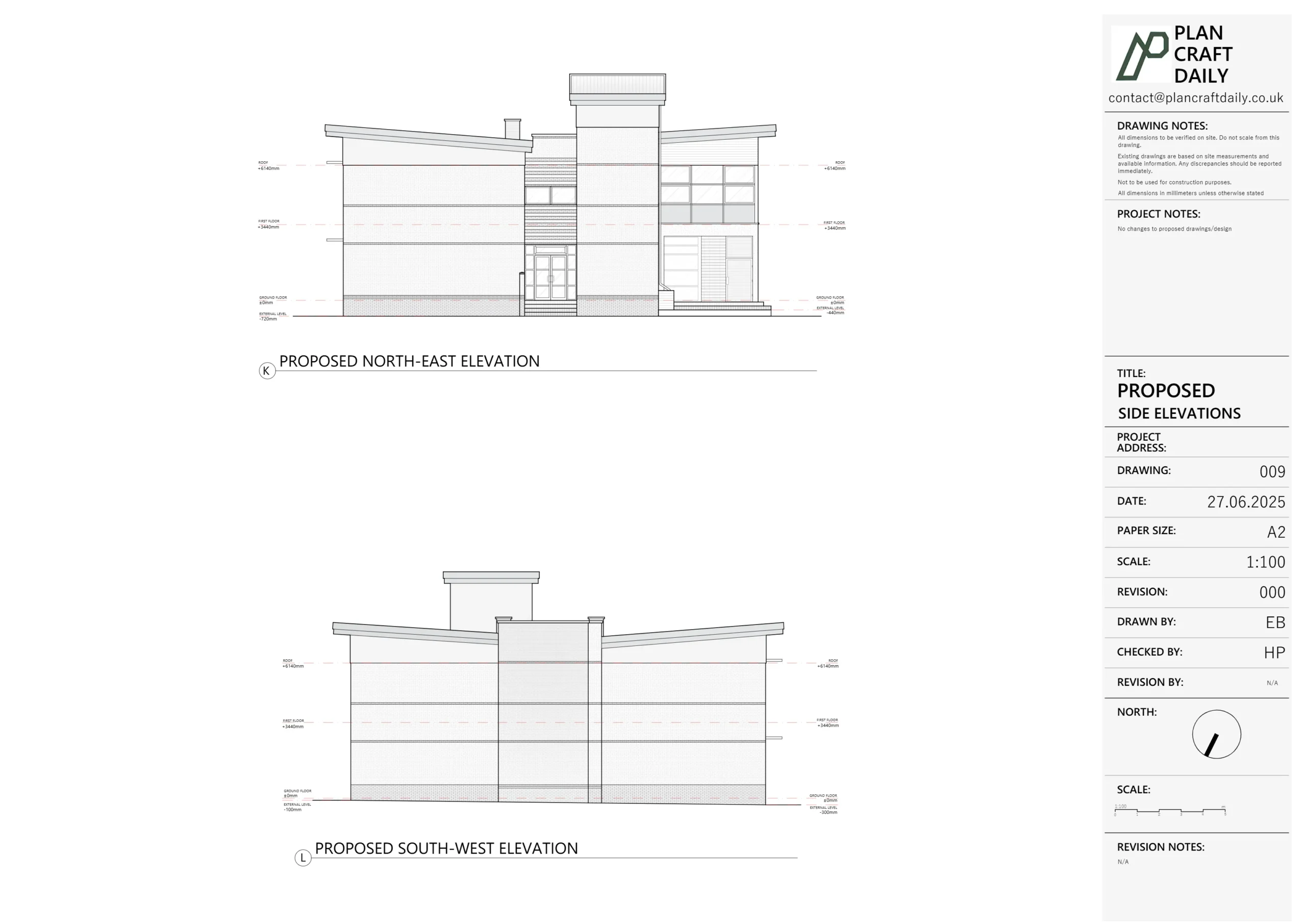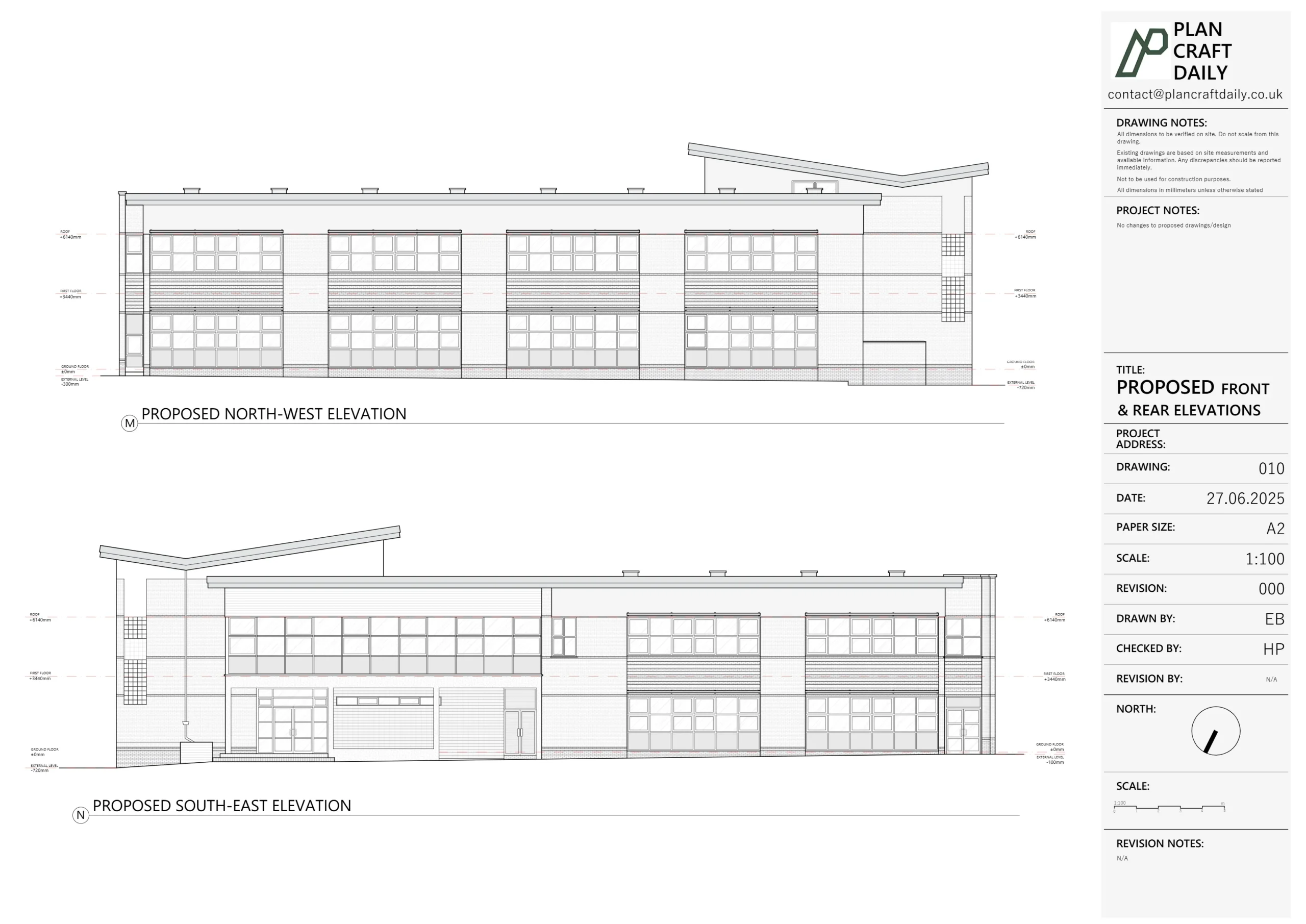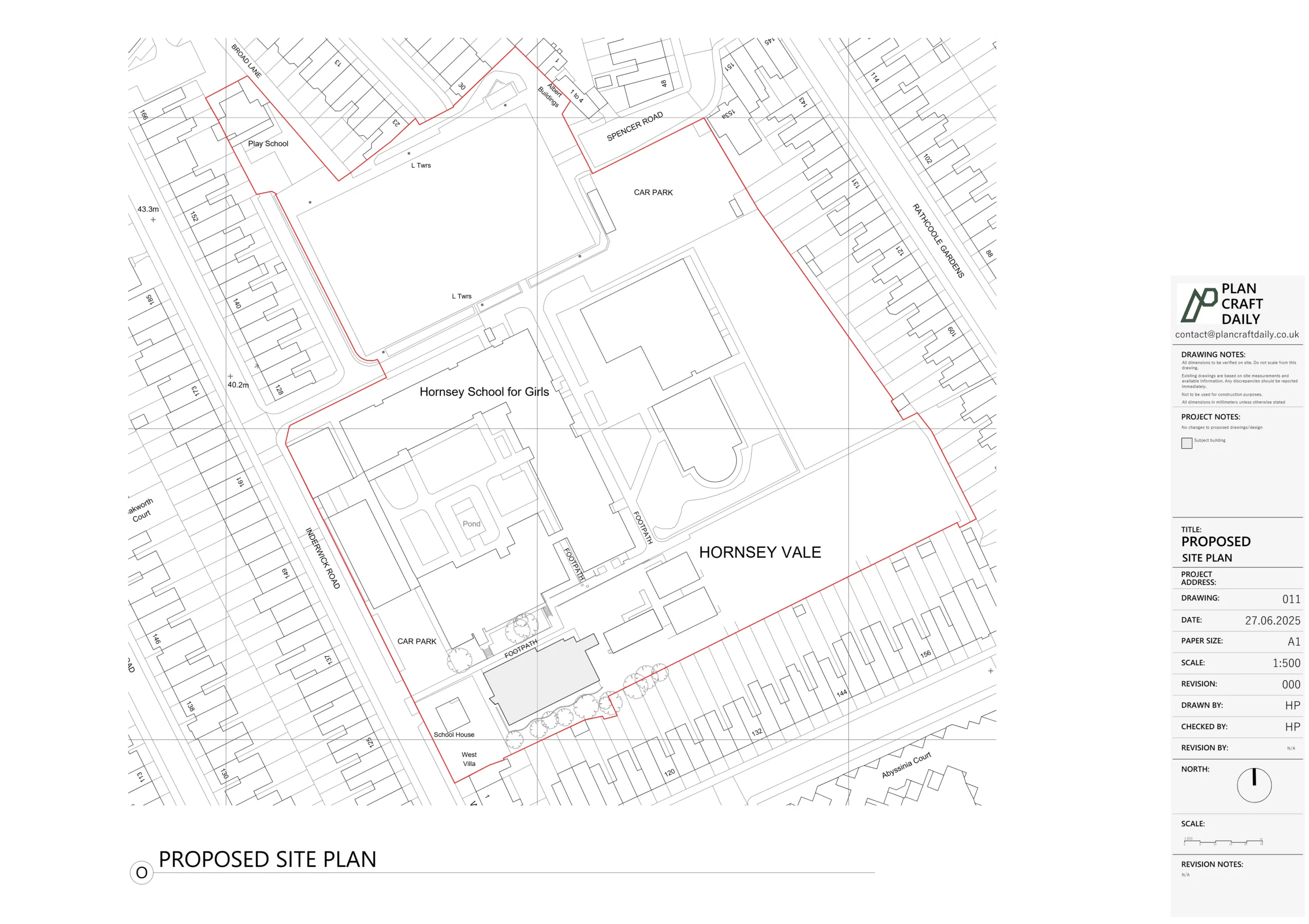
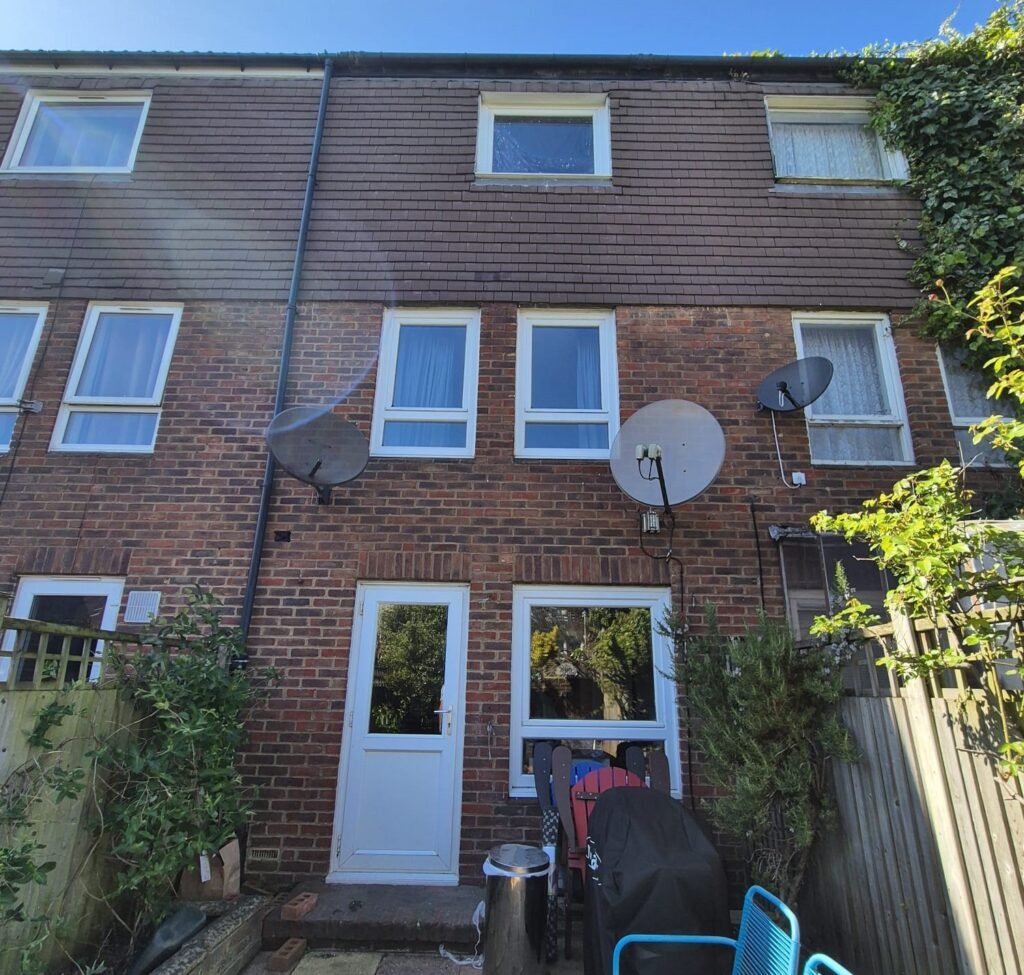
Emanuele, an architect working on a terraced house in South West London, approached us needing:
- A measured survey of the whole house
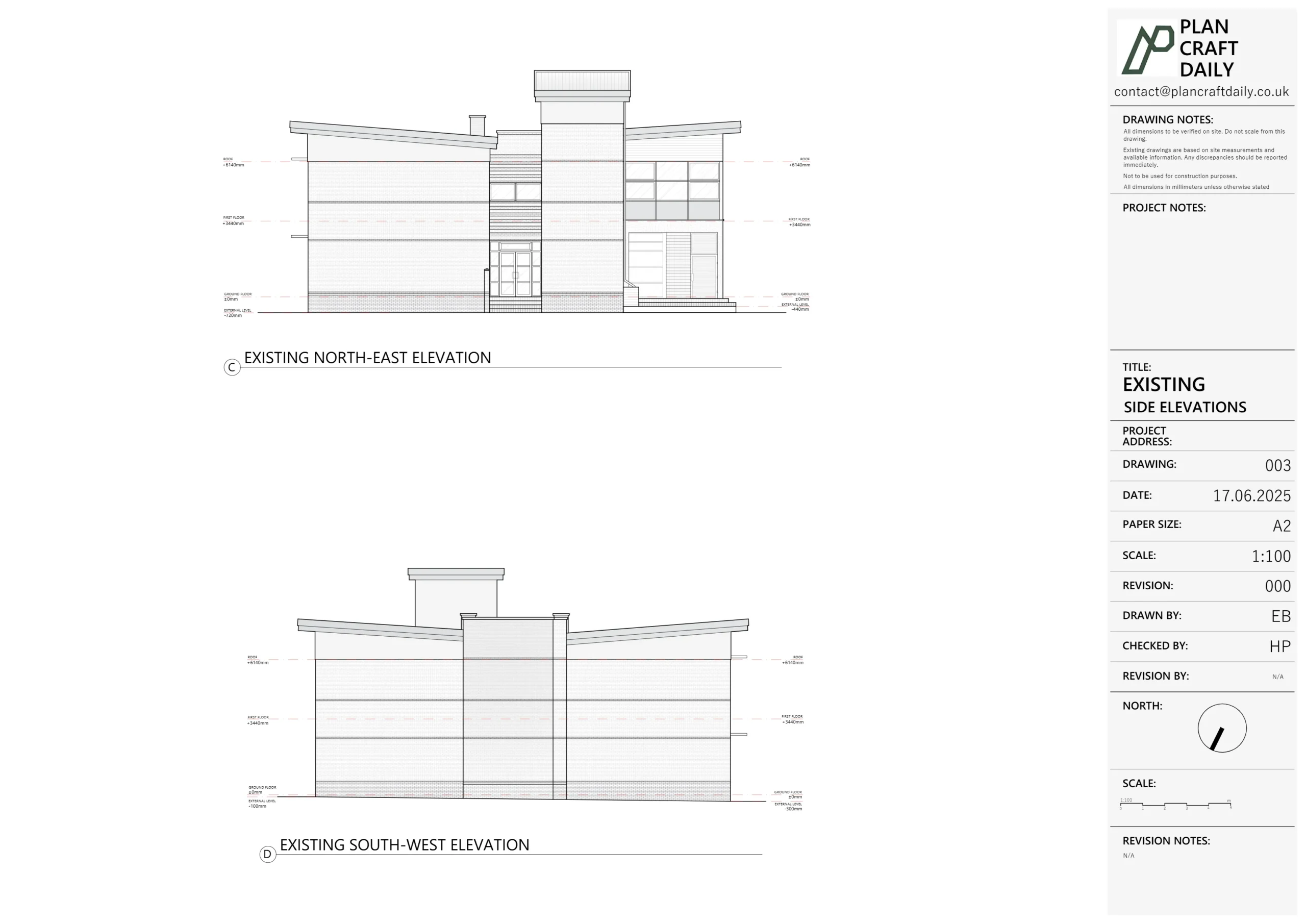
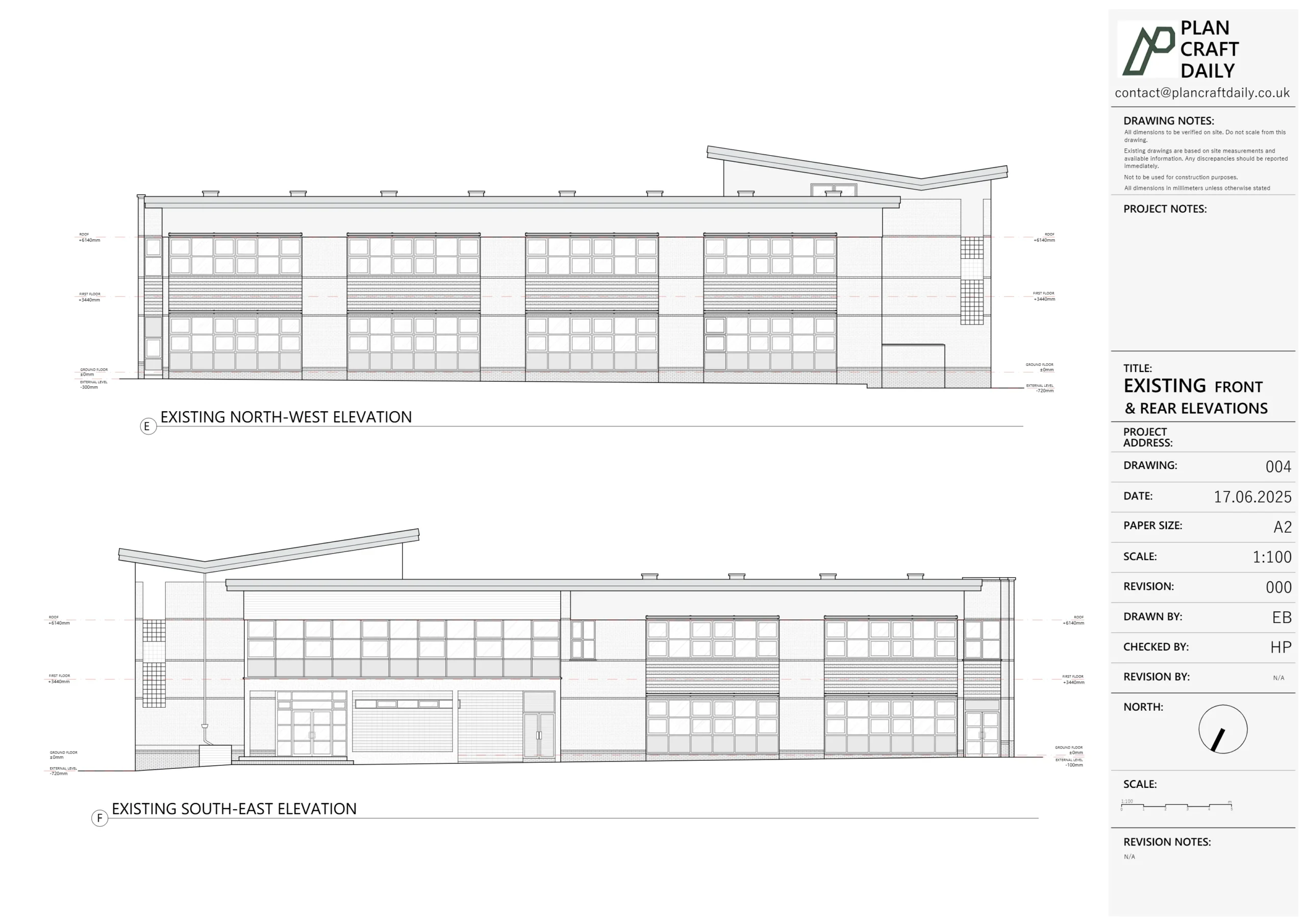
- A full set of existing drawings (plans, elevations and one section)
- Initially, a set of proposed drawings for a straightforward garage-to-room conversion
He shared photos of the property and noted that, from his perspective, the job was relatively simple – a standard terrace and a modest change to the front garage opening.
We:
- Set out a transparent fee breakdown for:
- The measured survey
- Existing drawings
- Proposed drawings for the garage conversion (including two rounds of revisions)
- Explained that, given our quality standards and the travel involved, we needed to keep to a certain minimum level on fees.
- After some back and forth, agreed to proceed for now with:
- The survey and existing drawings only, within a modest non-VAT fee
- Proposed drawings put on hold to be revisited later if needed
Once Emanuele confirmed, we issued an invoice, requested an initial payment to secure and activate the survey slot, and moved the project into scheduling.
How we carried out the survey
Because Emanuele is the architect (not the homeowner), we had to be careful around timing and client expectations:
- We discussed a few options (including a weekend survey) and Emanuele made it clear he didn’t want to push his client to open their home on a festive day.
- We therefore agreed a weekday survey window, with the client confirming availability around lunchtime.
To keep everyone comfortable and informed, we:
- Confirmed the survey would be for the measured survey only, with no design work carried out on site.
- Shared our surveyor’s name, mobile number and a headshot photo so Emanuele could pass this on to his client in advance, helping them feel secure about who was visiting their property.
On the day, our surveyor:
- Used a Disto laser and tape to measure all key internal spaces and external walls.
- Followed a systematic room-by-room route so nothing was missed.
- Picked up heights, openings and key structural lines needed for accurate sections and elevations.
- Captured a full set of photographs of the exterior and key interior areas to support roof and elevation modelling back in the office.
We advised Emanuele that our typical turnaround for the existing drawings on a house of this size is around 3–5 working days from the survey date.
Turning the survey into drawings
Back at the office, our CAD team:
- Built the existing floor plans (at true 1:1 metric scale) for the house based on the survey data.
- Generated front, rear and side elevations, using the site photographs to pick up brick lines, window proportions and the existing garage frontage.
- Cut a main section to show floor levels, ceiling heights and key structural relationships.
Once the drawings passed an initial internal check, we:
- Exported a draft PDF pack and uploaded it as a zip file for Emanuele to review.
- Issued a final invoice at the same time, explaining that:
- The draft PDFs were ready for his comments.
- Once payment was settled, we would release the full final set, including:
- Clean PDFs
- CAD files
- Supporting photographs
Emanuele reviewed the drawings, processed the payment, and reminded us that:
- He needed the final set without watermarks, so he could use them directly for design and planning.
We confirmed receipt of payment, attached a payment receipt, and sent:
- The final drawings and related media, as promised
- A clear note that the project was now complete, while still inviting any questions or follow-up comments
Managing changes and expectations
This project included a few important moments where communication really mattered:
1. Scope and fee negotiation
- Emanuele initially asked whether we could cut our fee further on the basis that the house was “not that difficult.”
- We acknowledged the relatively simple geometry but explained the minimum level we need to maintain for:
- Travel
- On-site survey time
- Proper CAD production and QA
- In the end, we:
- Kept the quality bar where it needed to be
- Narrowed the scope to survey + existing drawings only
- Parked the proposed drawings for the future
This allowed us to keep the project viable while still meeting his immediate needs.
2. Scheduling around the homeowner
- Emanuele was very clear that he couldn’t pressure his client into a holiday or festive-day appointment.
- We respected that, shifted away from weekend suggestions, and worked within a weekday slot that suited the homeowner.
3. Detail level and feedback
After receiving the drawings, Emanuele:
- Paid the outstanding balance and confirmed he was broadly happy.
- Also shared polite but direct feedback that he would have liked more ceiling detail for his proposal design work.
- Let us know he would visit the property himself to capture those additional details.
We responded by:
- Thanking him for the feedback.
- Apologising for any ceiling elements that weren’t captured to the level he’d hoped for.
- Committing to tighten our internal brief on ceiling detail for projects where the architect indicates that proposals will rely heavily on those elements.
4. Watermarks and file confusion
Later, Emanuele came back with an urgent note saying he could still see watermarks on the drawings.
We:
- Asked him to double-check that he was opening the final files, not the earlier draft PDFs (which are watermarked by default).
- Then issued a clearly labelled “Final” zipped pack of PDFs again and advised him to download that set directly, to avoid any confusion with older links or cached files.
This extra step ensured he had a clean, ready-to-use set of drawings.
Final outcome
By the end of the project, Emanuele had:
- A measured survey of the terraced house, carried out by a named surveyor with full contact details and photo shared in advance.
- A complete set of existing drawings:
- Floor plans
- Elevations
- A main section
- All deliverables in both PDF and CAD formats.
- A final, watermark-free PDF pack, easy to download and ready for direct use in his design workflow.
For us, the project delivered:
- A new architect client in the SW17 area with whom we now have a shared understanding of expectations on:
- Scope
- Detail level (especially ceilings, where needed)
- Turnaround and communication
- A useful reminder to:
- Be explicit about which files are drafts vs. finals, especially when watermarks are involved.
- Push ourselves to match ceiling detail to the way architects plan to use the drawings.
Even with a modest budget and a relatively simple terraced house, the project reinforced our core approach: clear scope, tight communication around scheduling and deliverables, and honest engagement with feedback so the next project runs even smoother.sions with Isaac and, if needed, pass our clean CAD files on to other consultants in the project team.
Project Details
| Service Type | Measured survey and existing drawings (plans, elevations and section) |
| Time Taken | Around 1–2 weeks from survey to final drawings (plus client review time) |
| Location | Mitcham |