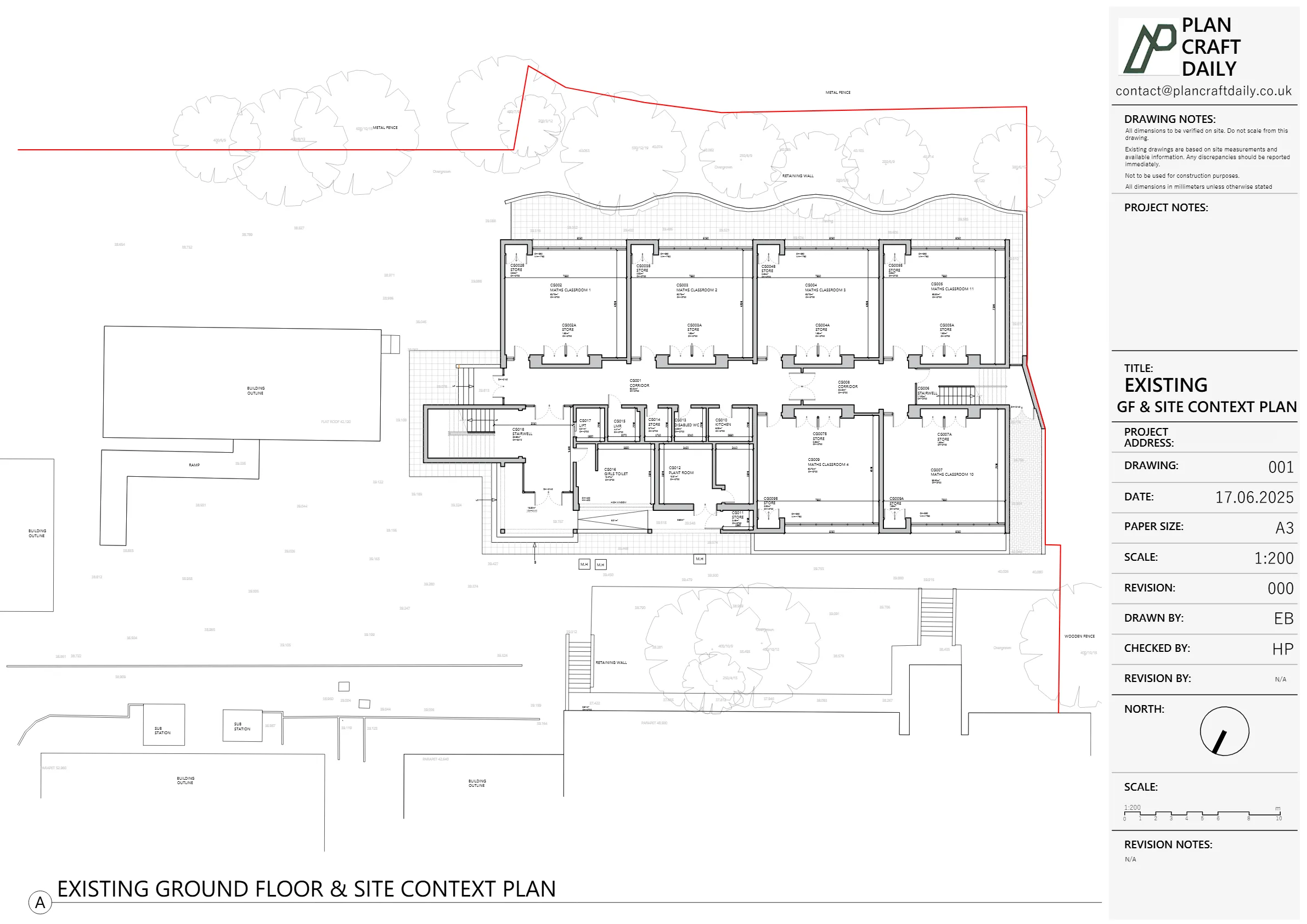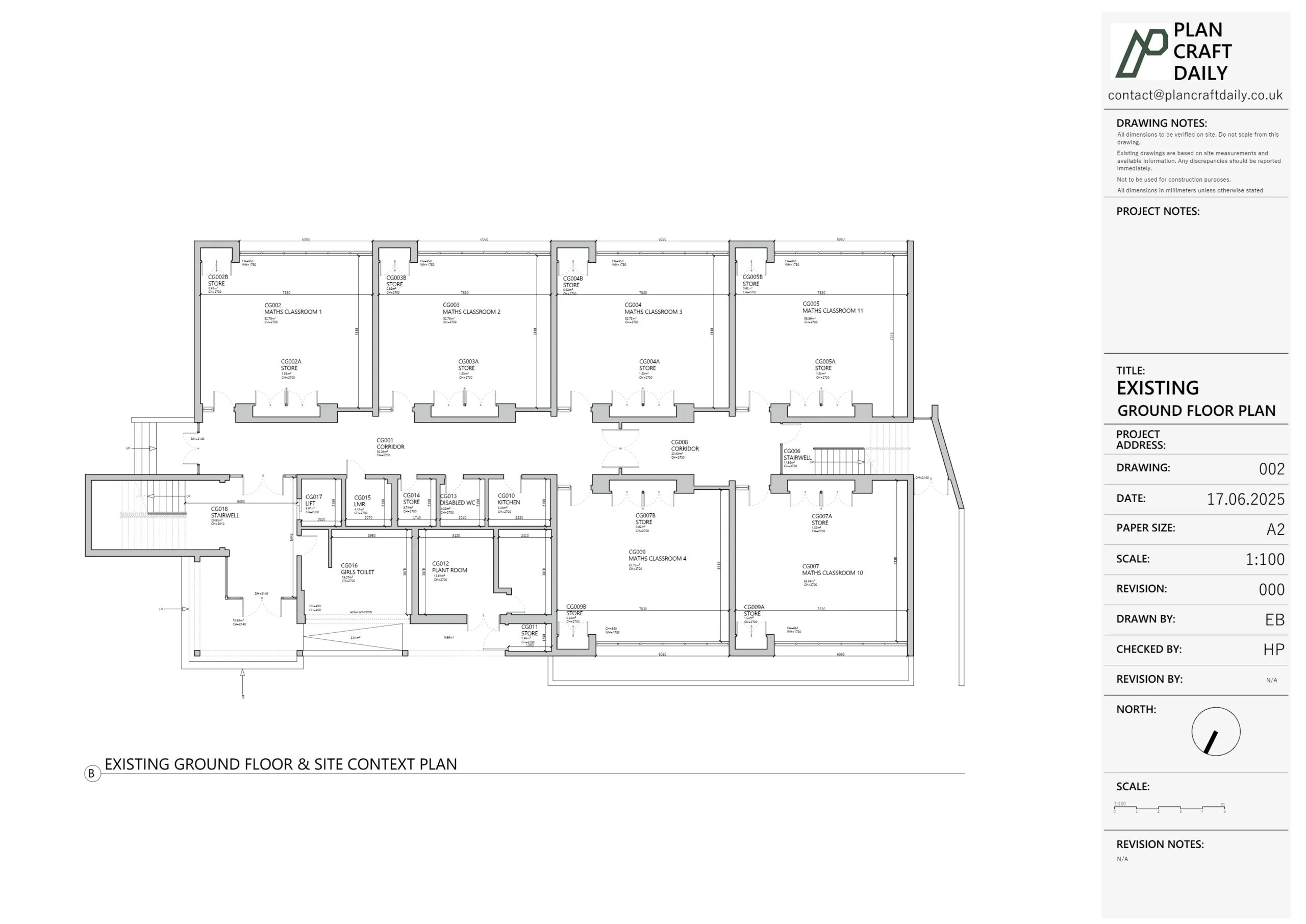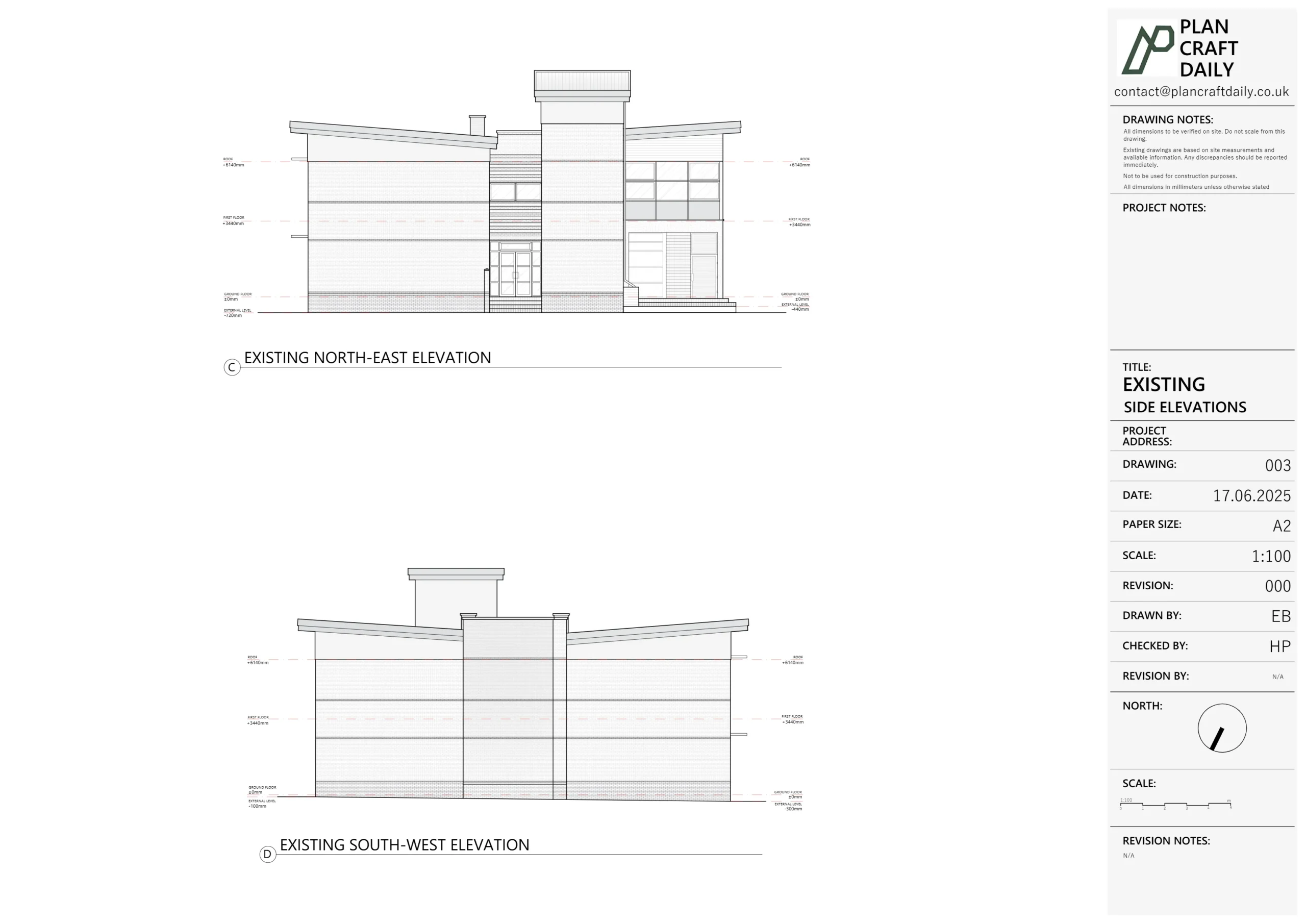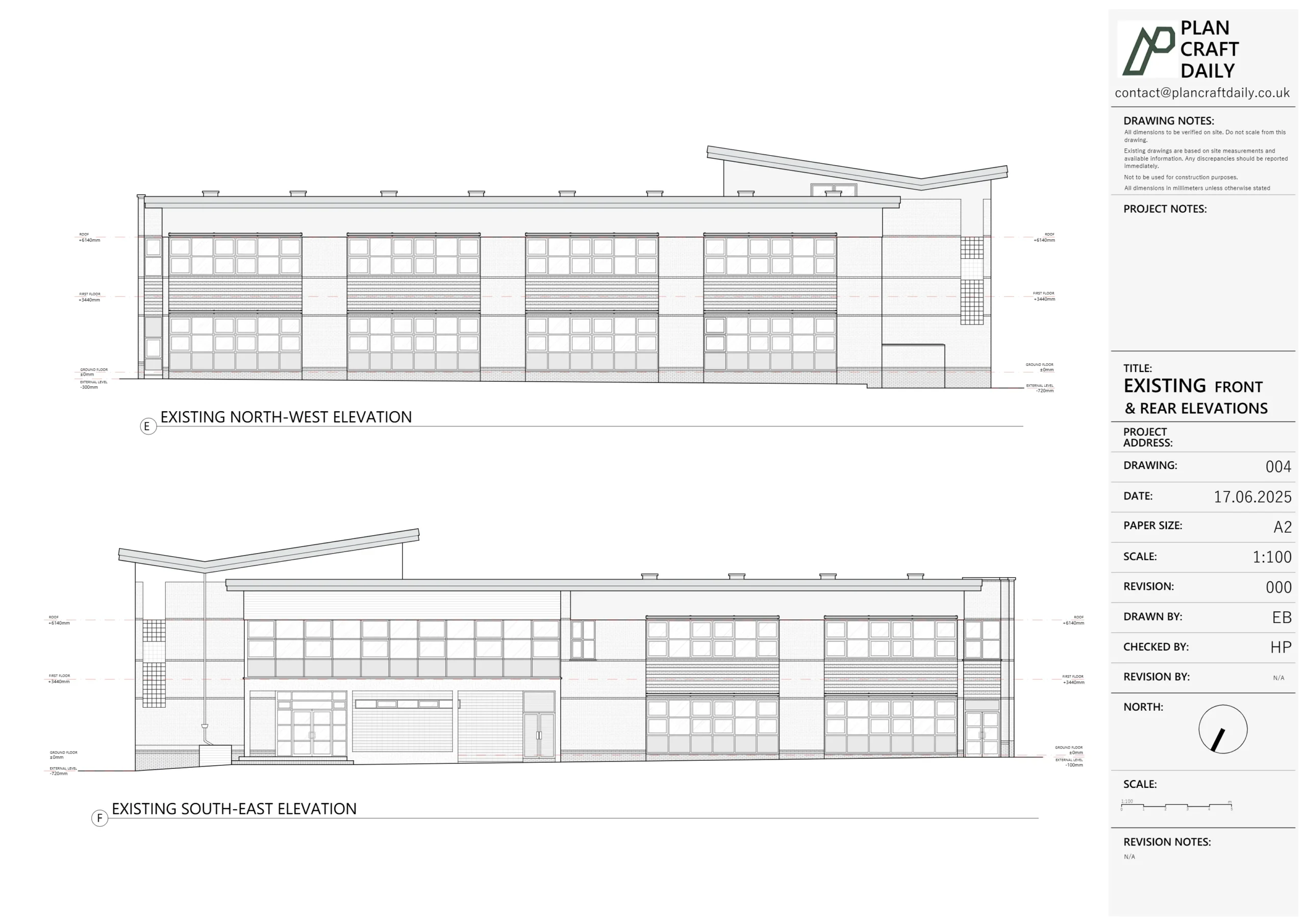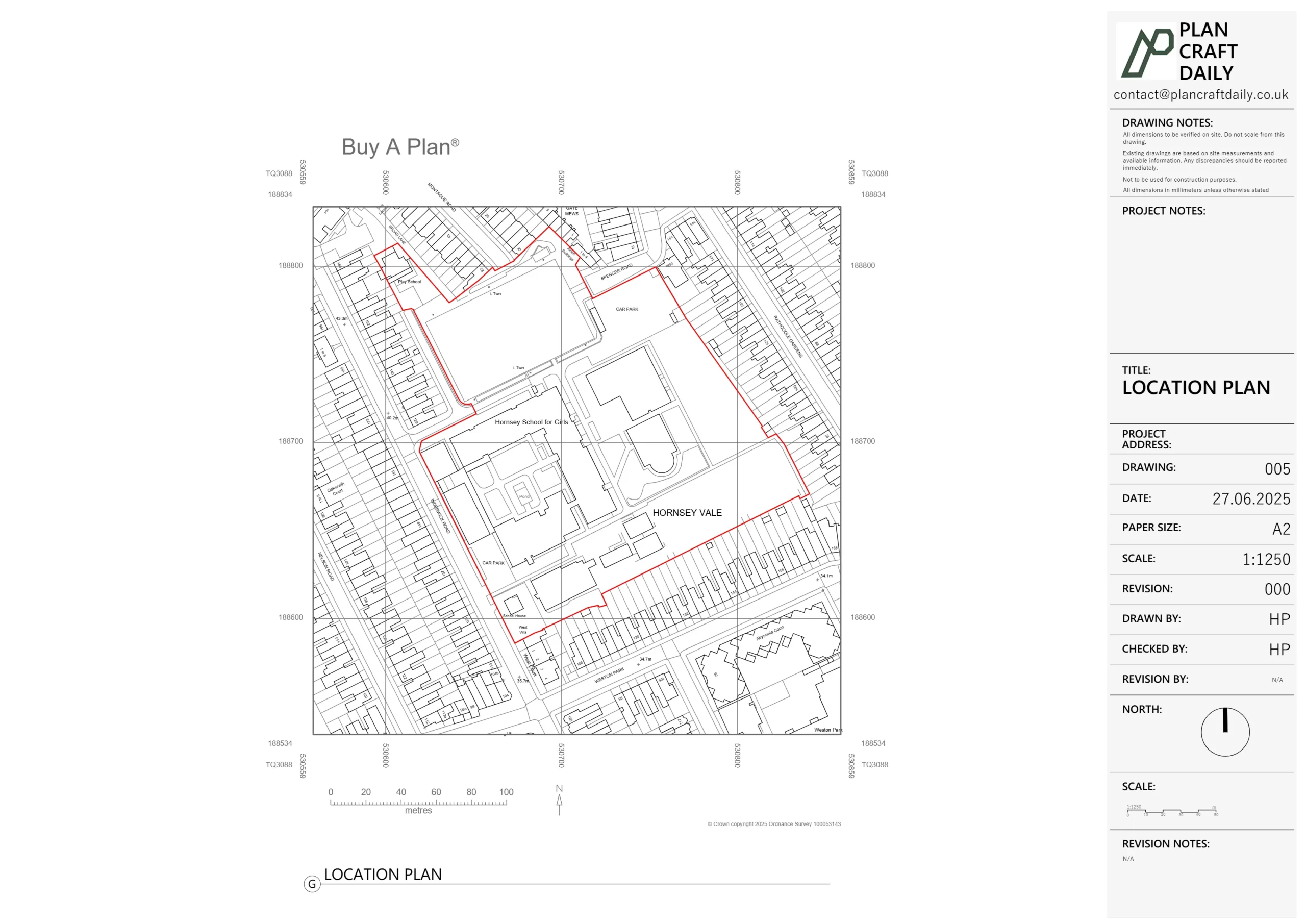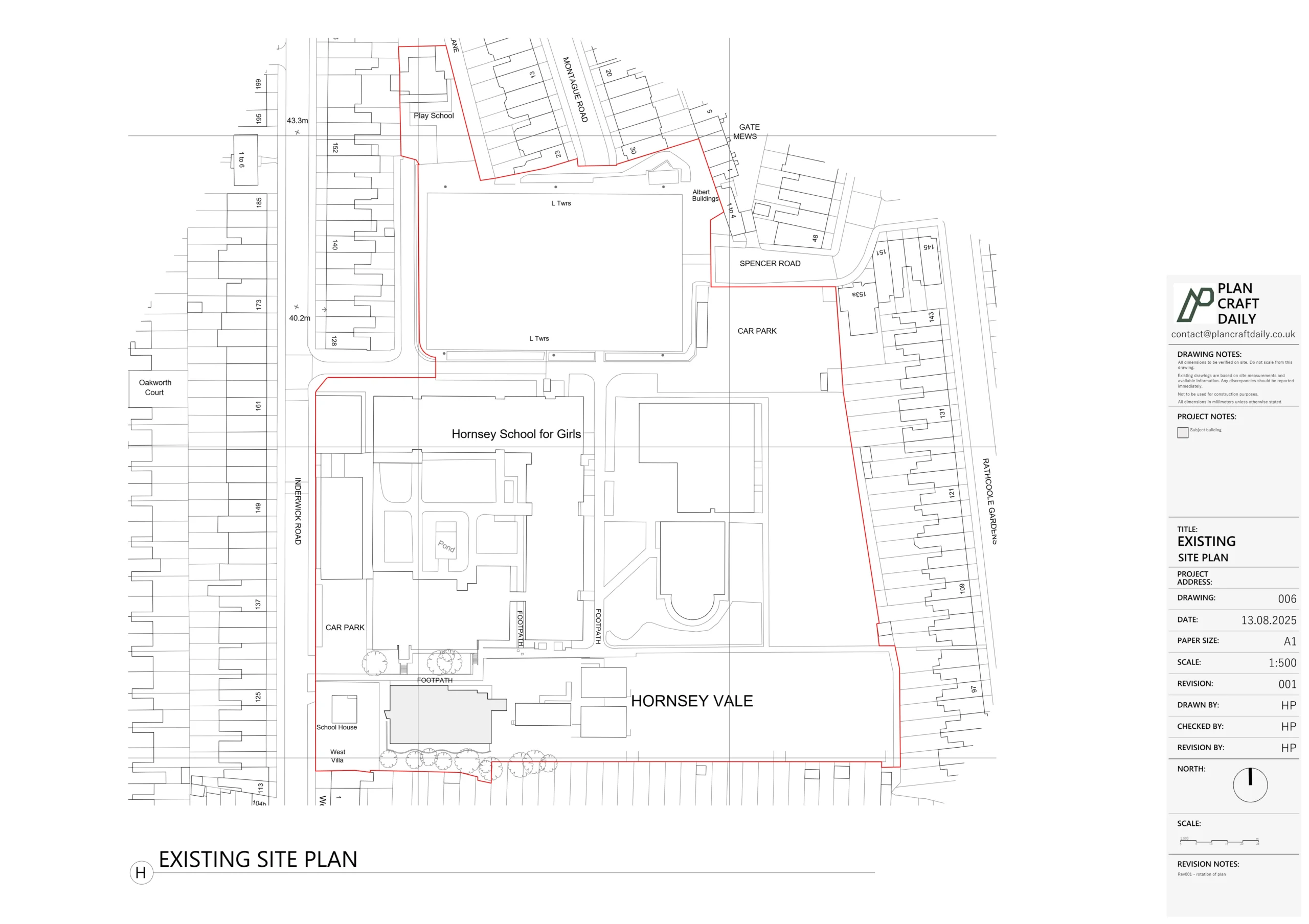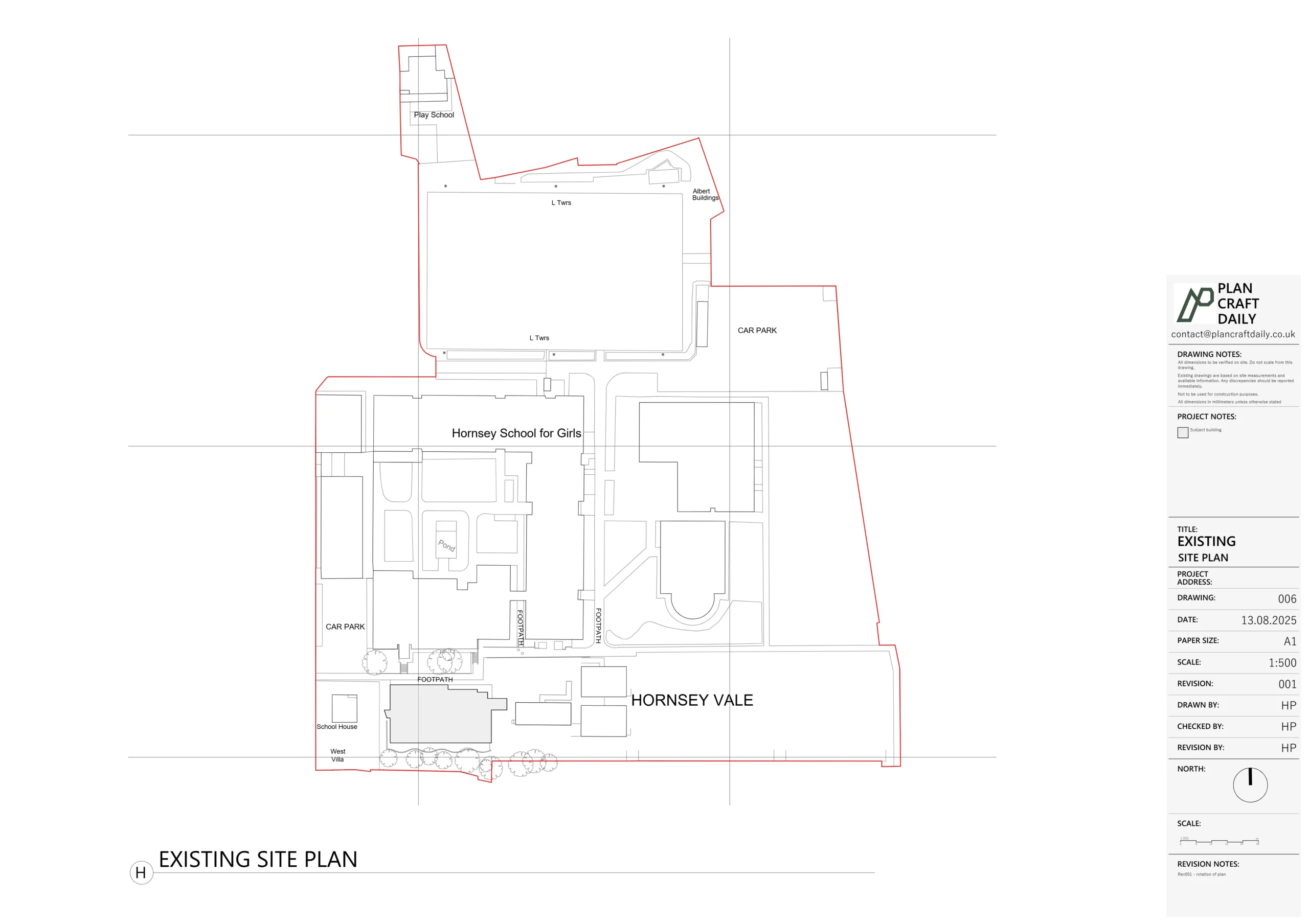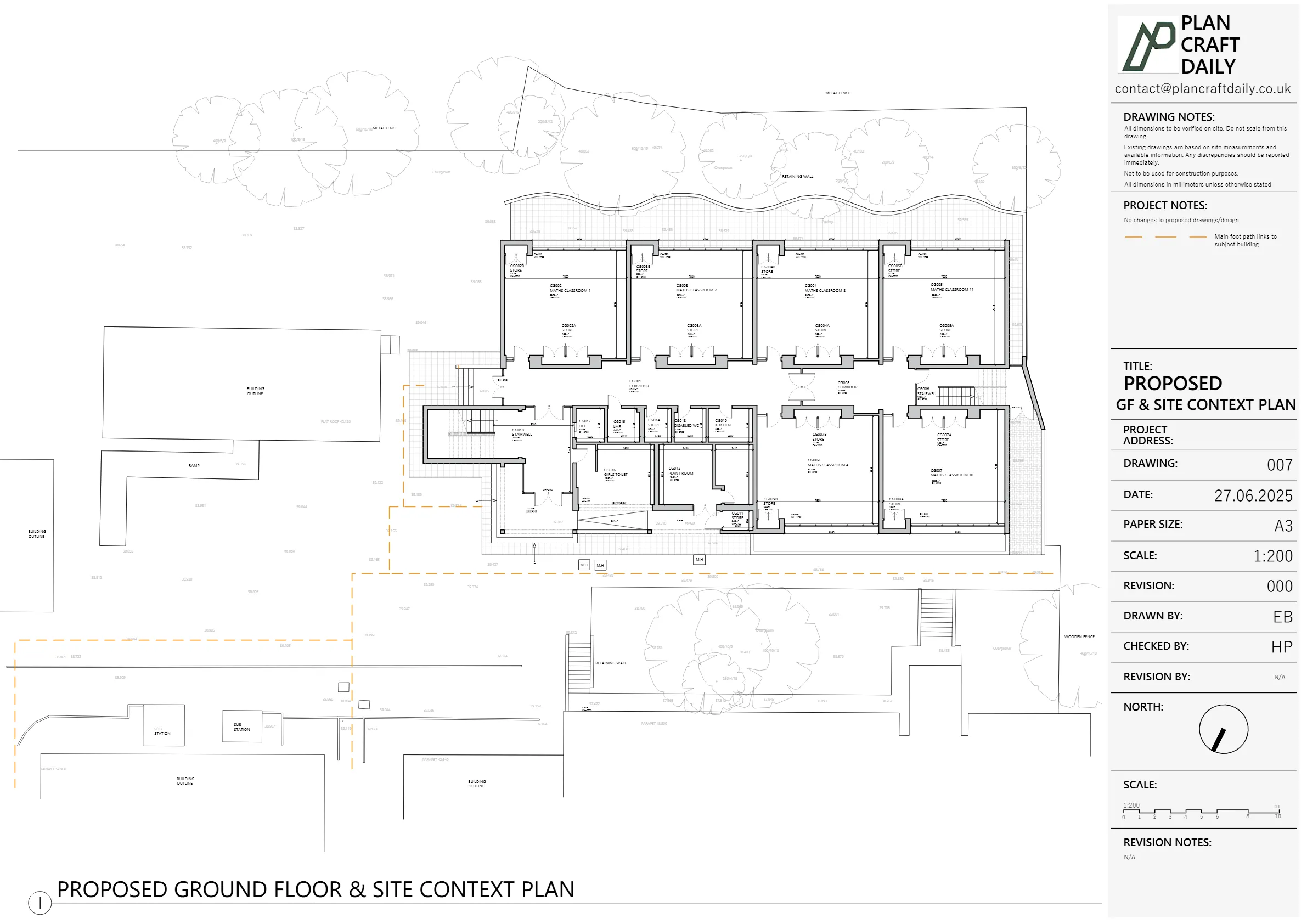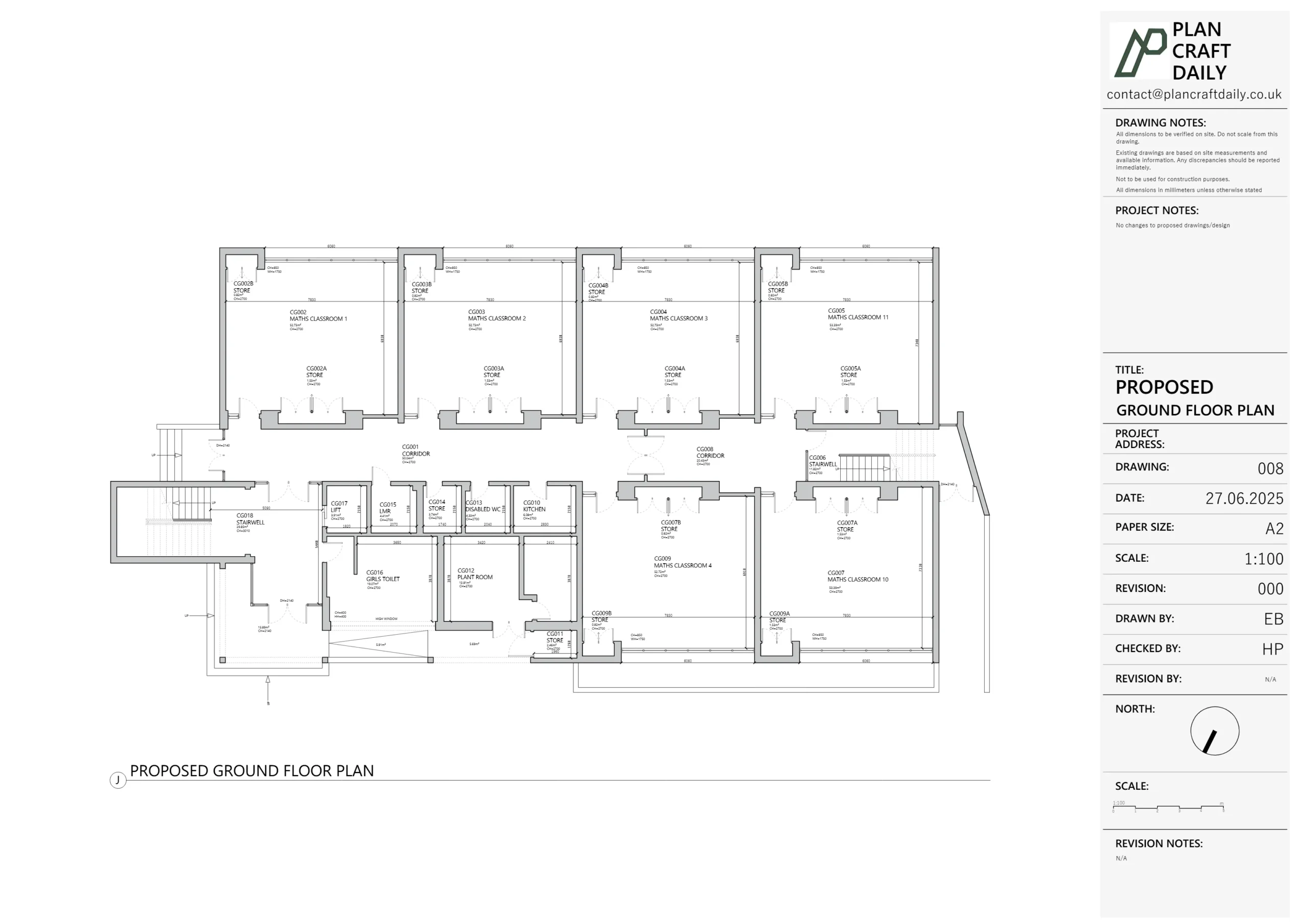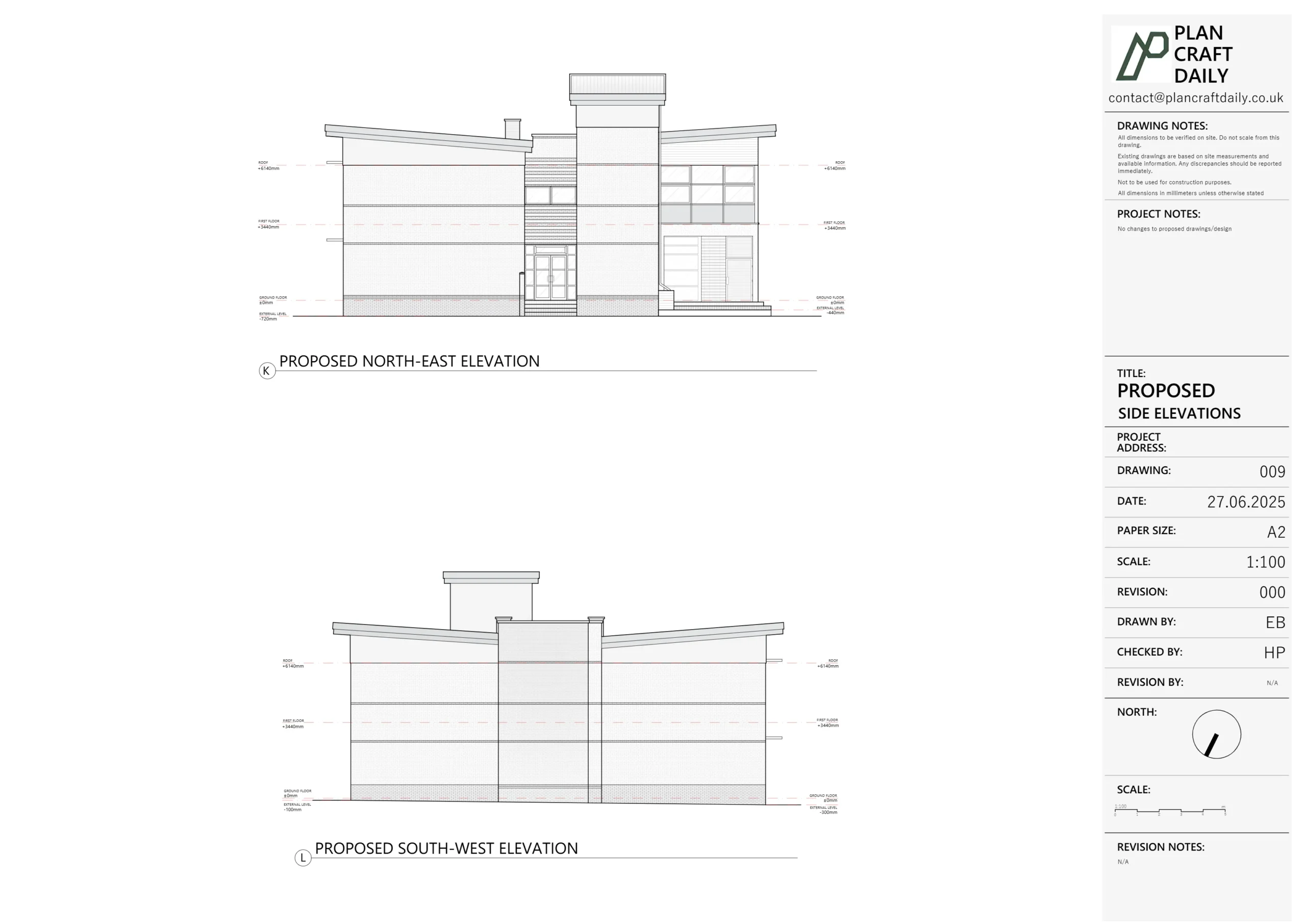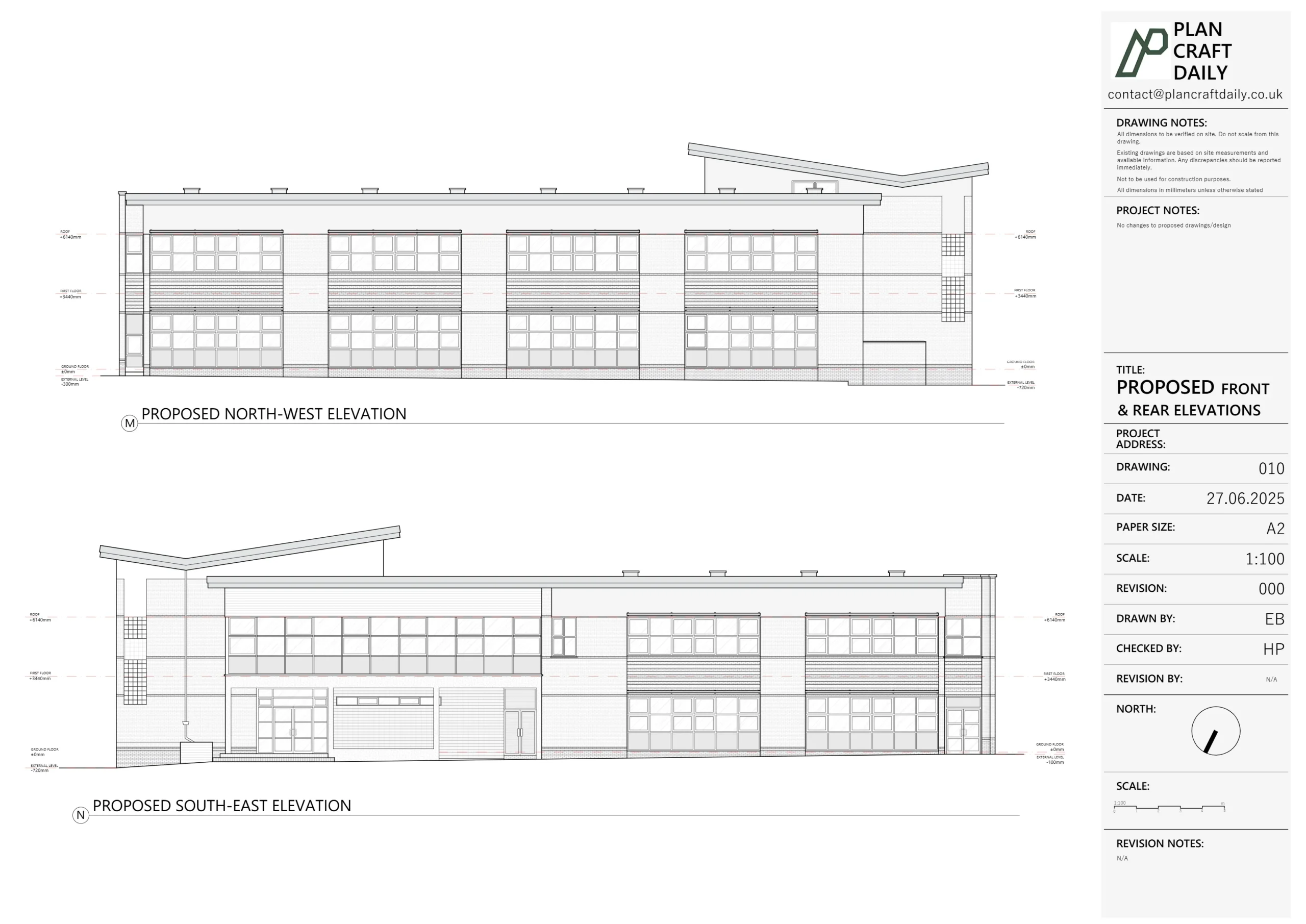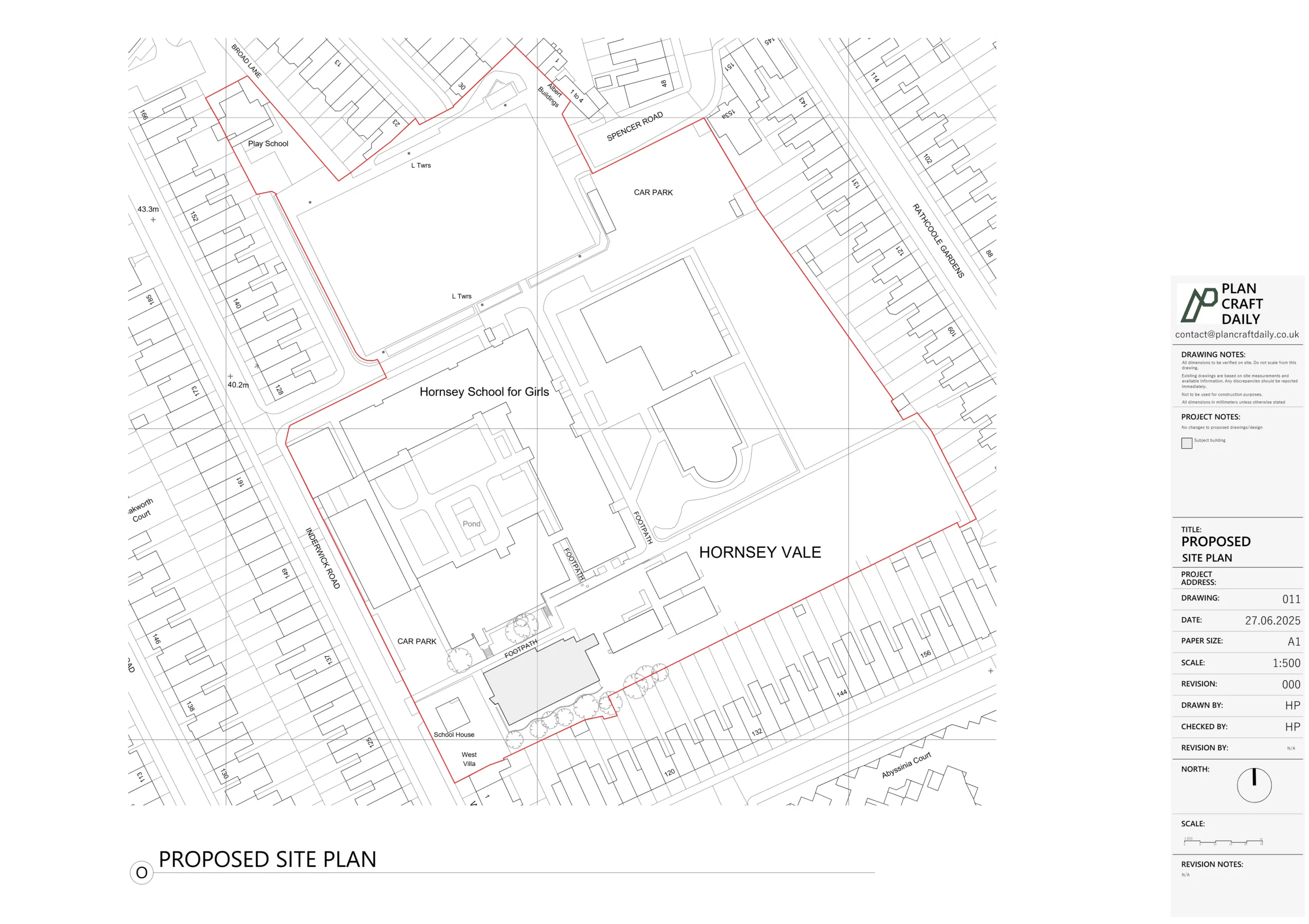
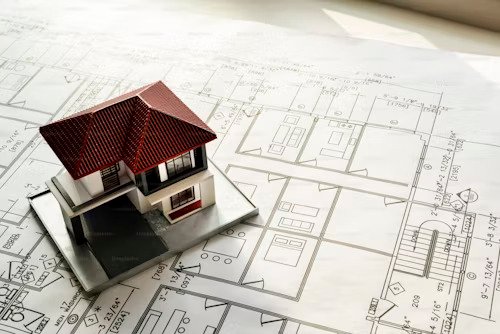
In the dynamic world of business, achieving success often hinges on strategic partnerships and thoughtful planning. Collaborative architectural planning brings together architects, developers, and stakeholders to create spaces that align with business goals, foster innovation, and inspire growth. By working together, businesses can craft environments that reflect their vision and pave the way for future achievements.
The Importance of Collaboration in Architectural Planning
Collaboration in architectural planning ensures that the resulting designs are not only functional but also aligned with the goals and values of all stakeholders. Here’s why this approach is essential:
1. Aligning Vision and Execution
When architects and business leaders collaborate, the resulting plans are more likely to reflect the company’s mission, vision, and culture. This alignment creates a cohesive environment that supports both day-to-day operations and long-term objectives.
2. Enhancing Innovation
Bringing together diverse perspectives fosters creative solutions. Collaborative planning encourages innovative ideas, whether it’s designing flexible workspaces or integrating sustainable materials.
3. Improving Efficiency
Effective communication among all parties ensures that potential challenges are identified early. This reduces costly delays and streamlines the entire planning and construction process.
4. Building Strong Relationships
Collaboration strengthens relationships between businesses, architects, and contractors. This foundation of trust and mutual respect leads to more successful outcomes and long-term partnerships.
Key Elements of Collaborative Architectural Planning
1. Clear Communication
Open and transparent communication is the cornerstone of collaboration. Regular meetings and updates ensure that everyone is on the same page, minimizing misunderstandings.
2. Shared Goals
Defining shared objectives at the outset helps guide the planning process. Whether the goal is to enhance employee productivity or attract more customers, aligning these aims ensures a unified approach.
3. Inclusive Design
Involving stakeholders from different departments, such as HR, marketing, and operations, ensures that the design caters to diverse needs and perspectives.
4. Leveraging Technology
Tools like Building Information Modeling (BIM) and virtual reality (VR) facilitate better visualization and planning, enabling stakeholders to provide meaningful input throughout the process.
Benefits of Collaborative Architectural Planning for Businesses
1. Spaces That Reflect Your Brand
Collaborative planning ensures that the final design embodies your company’s identity, creating a physical space that reinforces your brand image.
2. Optimized Functionality
Designing spaces with input from all stakeholders leads to layouts that improve workflow, productivity, and overall efficiency.
3. Future-Proofed Designs
By anticipating future needs and trends, collaborative architectural planning delivers adaptable spaces that can evolve alongside your business.
4. Cost Savings
Collaboration reduces errors, reworks, and delays, ultimately saving time and money during both the planning and construction phases.
How to Foster Collaboration in Your Architectural Projects
1. Choose the Right Team
Select architects, designers, and contractors who value collaboration and have experience working with businesses in your industry.
2. Set Clear Expectations
Define roles, responsibilities, and expectations early to avoid confusion and ensure a smooth planning process.
3. Use Collaborative Tools
Adopt project management tools like Trello or Asana to track progress and facilitate communication among team members.
4. Prioritize Feedback
Encourage open feedback throughout the project. This ensures that the final design meets everyone’s needs and expectations.
Conclusion
Collaborative architectural planning is more than just a process; it’s a partnership that drives innovation, efficiency, and success. By working together, businesses and architects can craft spaces that not only meet immediate needs but also set the stage for future growth.
Ready to shape your business’s future with collaborative architectural planning? Contact us today to bring your vision to life.