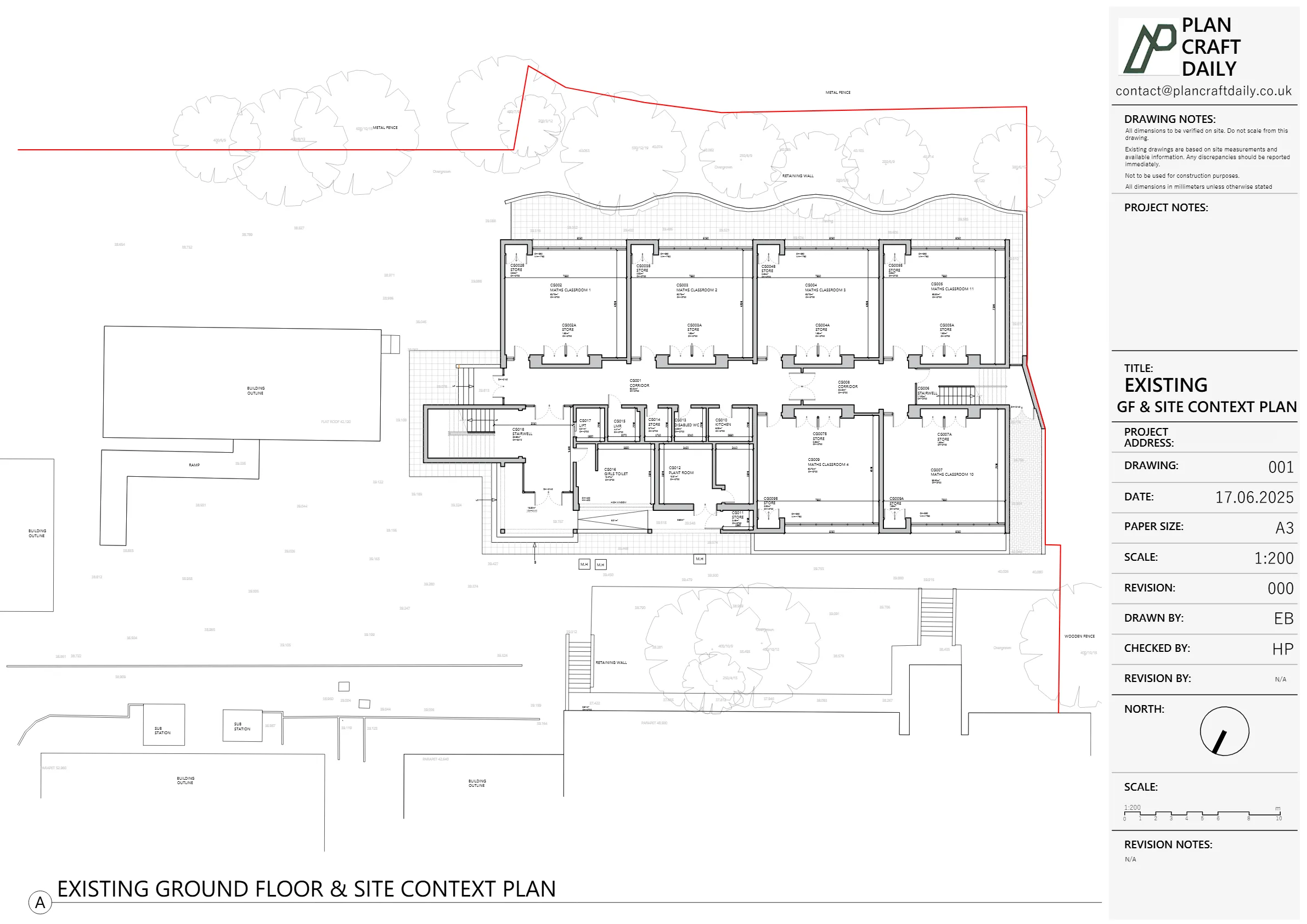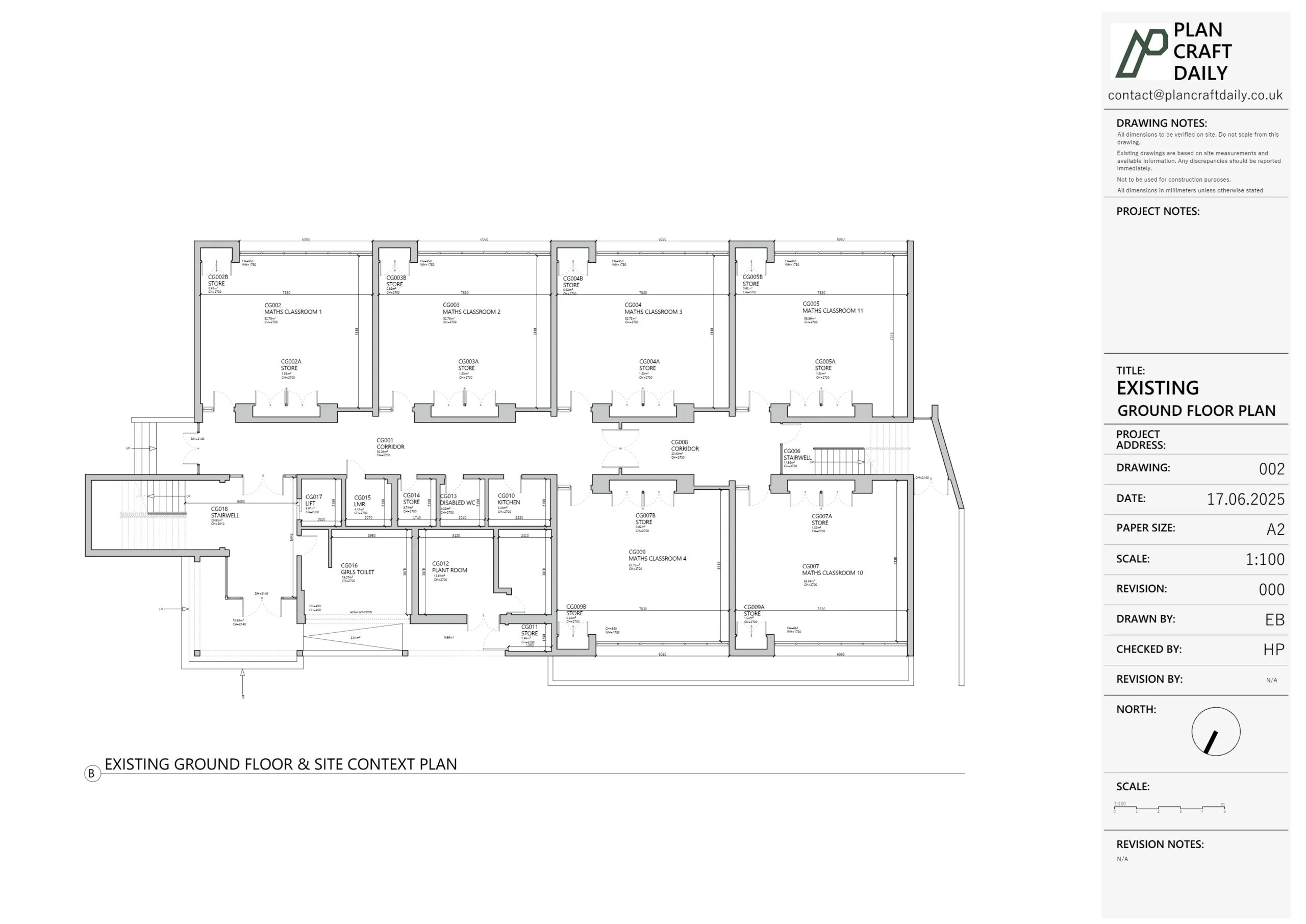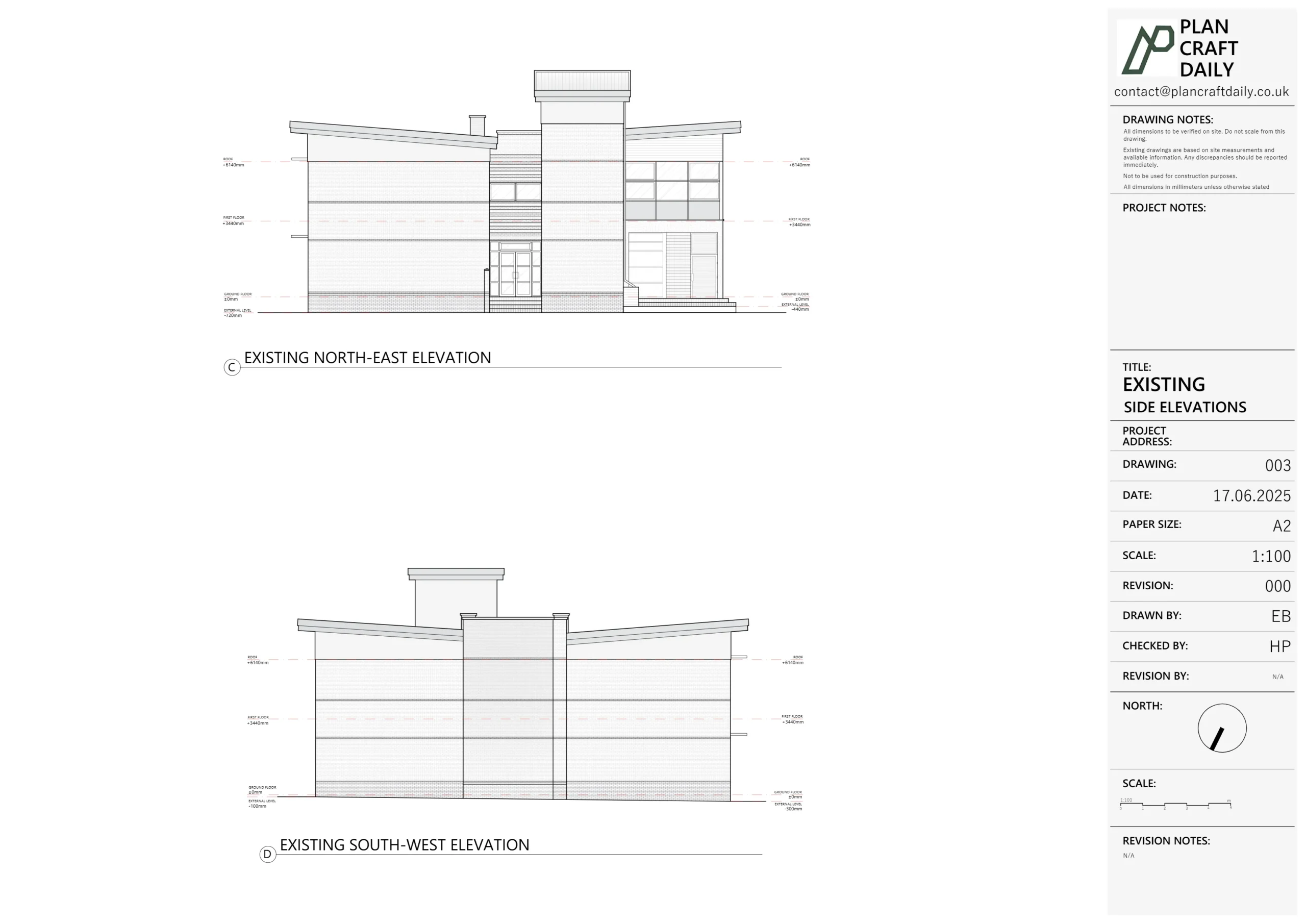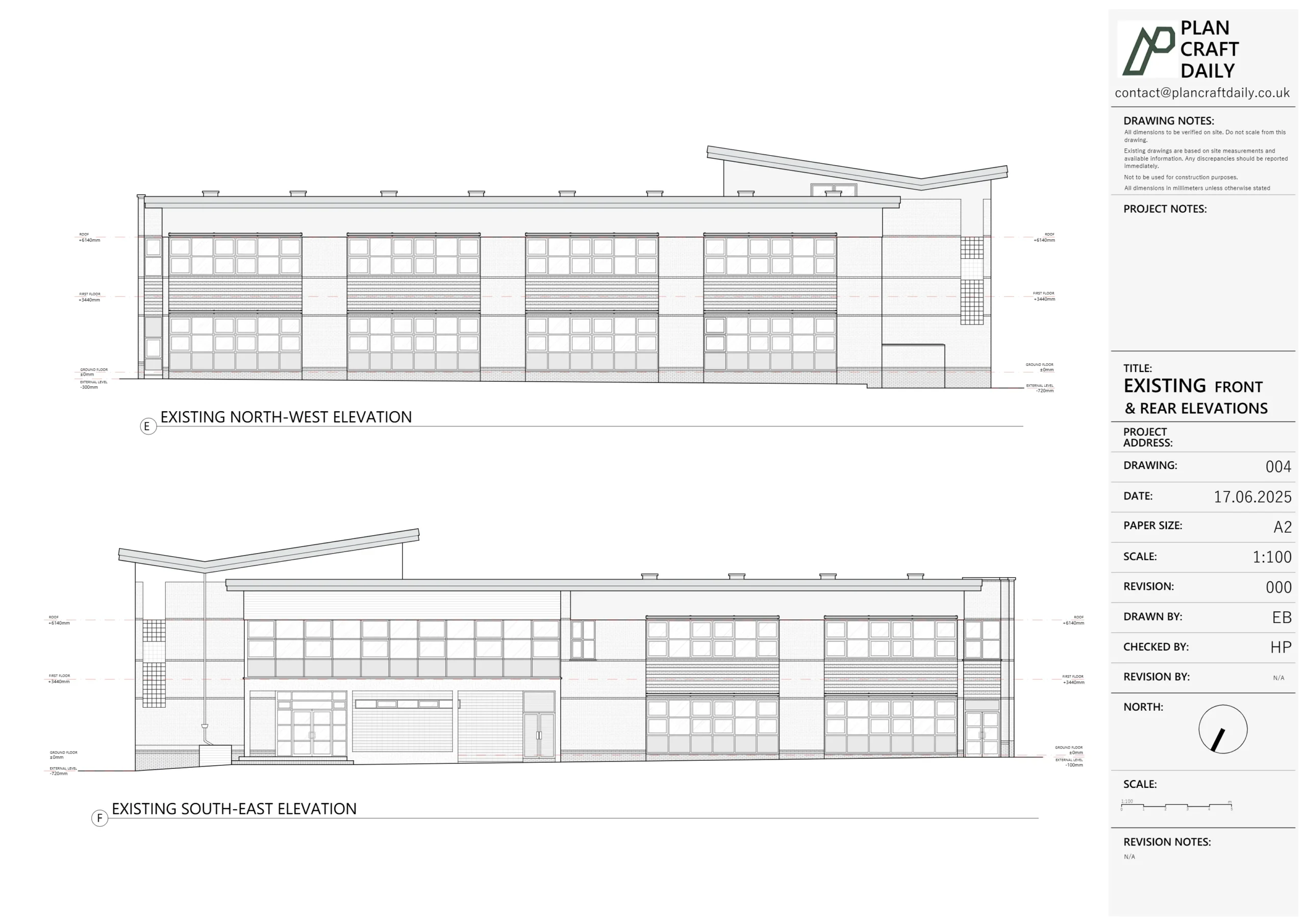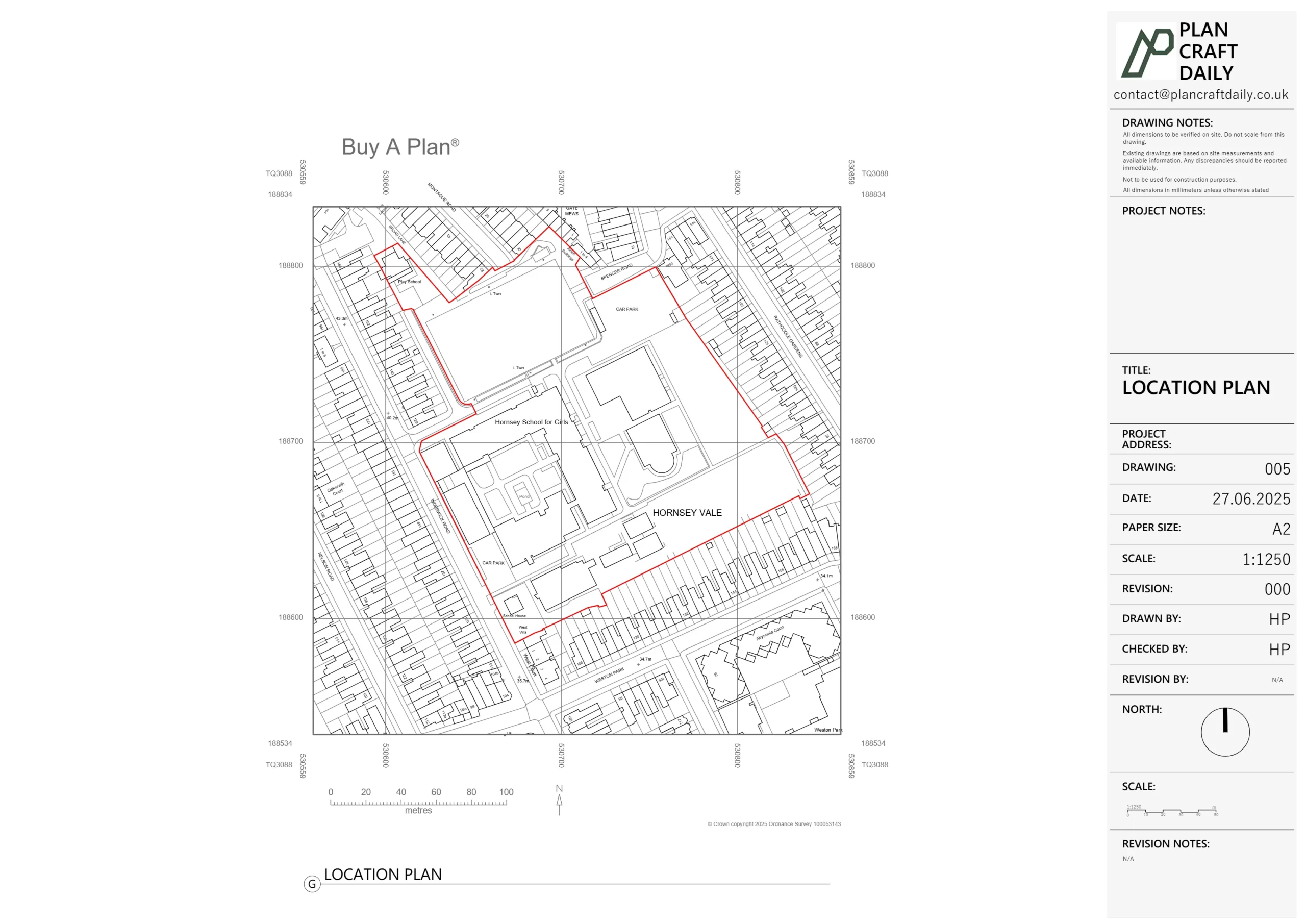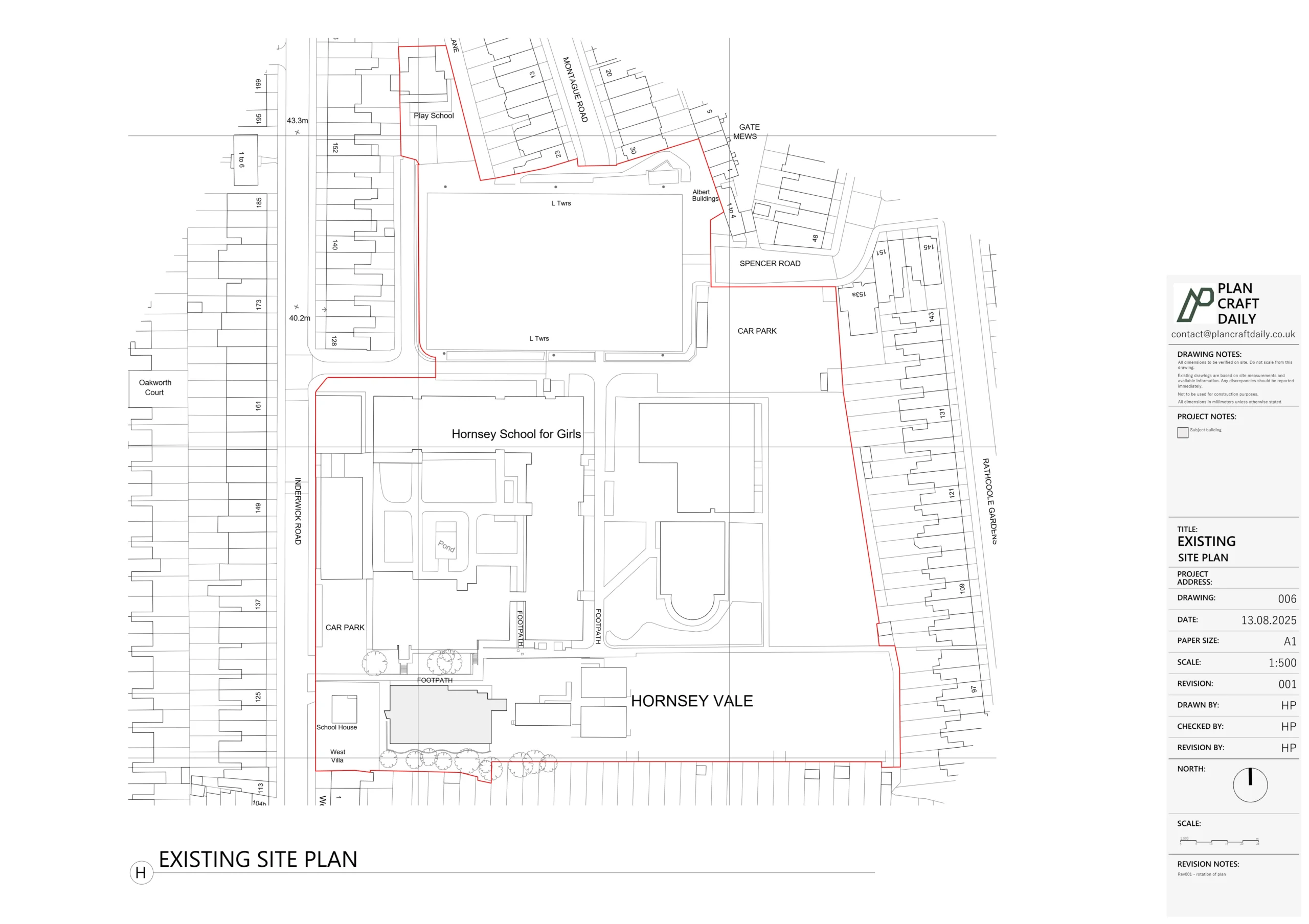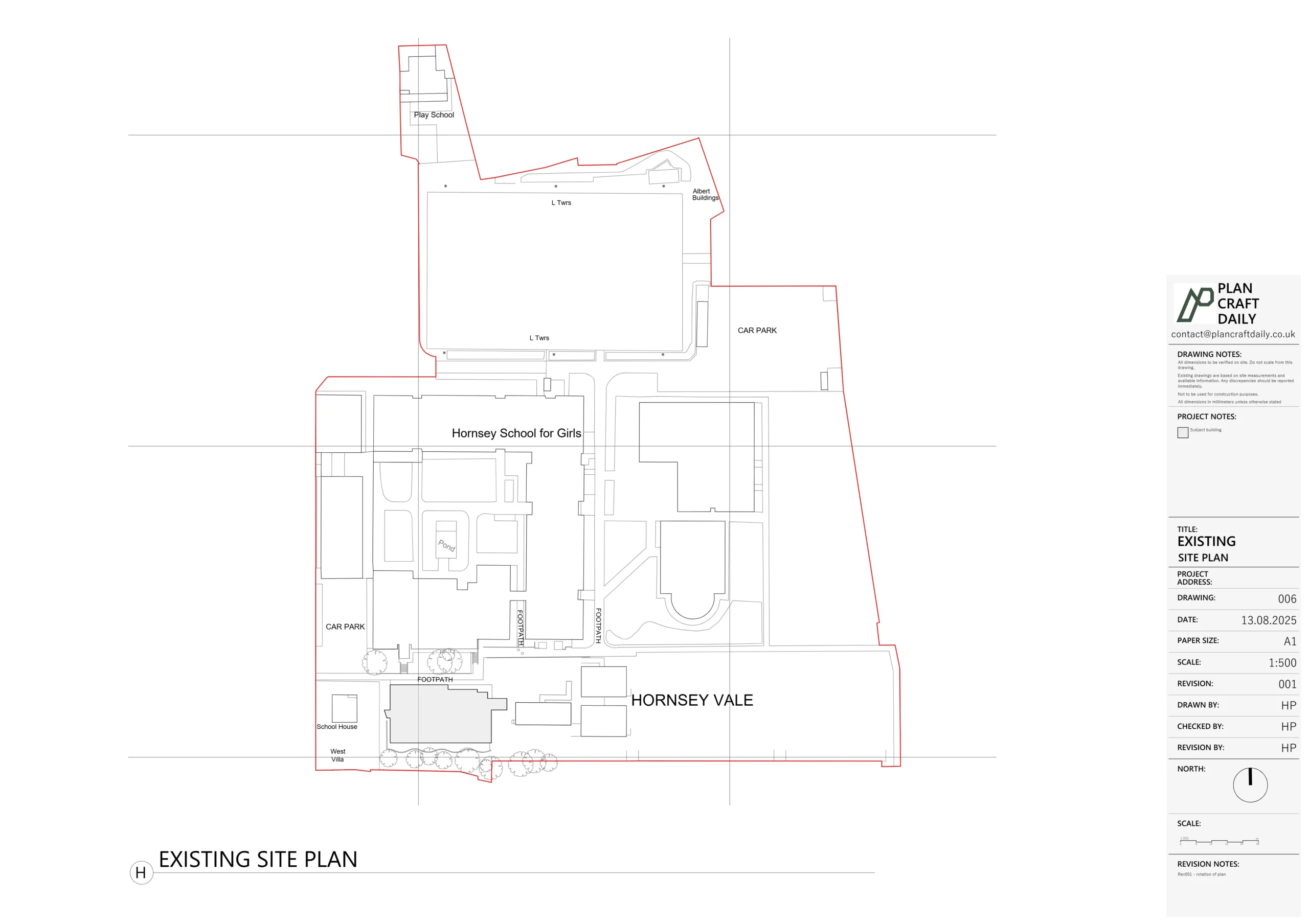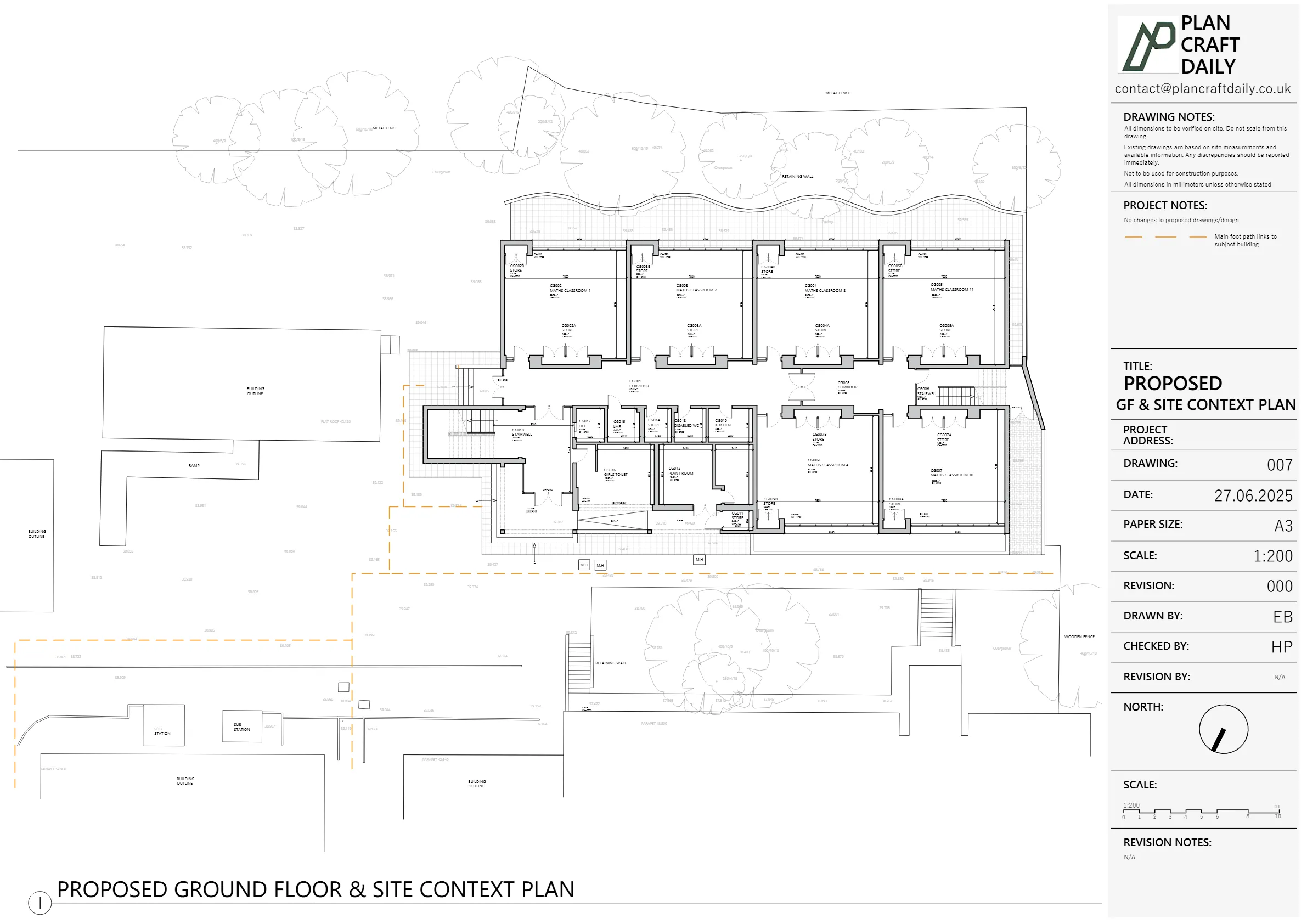
Every business has a story, and its physical spaces often reflect its evolution. Existing drawings serve as a bridge between the past and the future, preserving the history of your business while providing a foundation for growth and innovation. From renovations to expansions, these drawings offer valuable insights into your company’s journey and help create designs that honor its legacy.
What Are Existing Drawings?
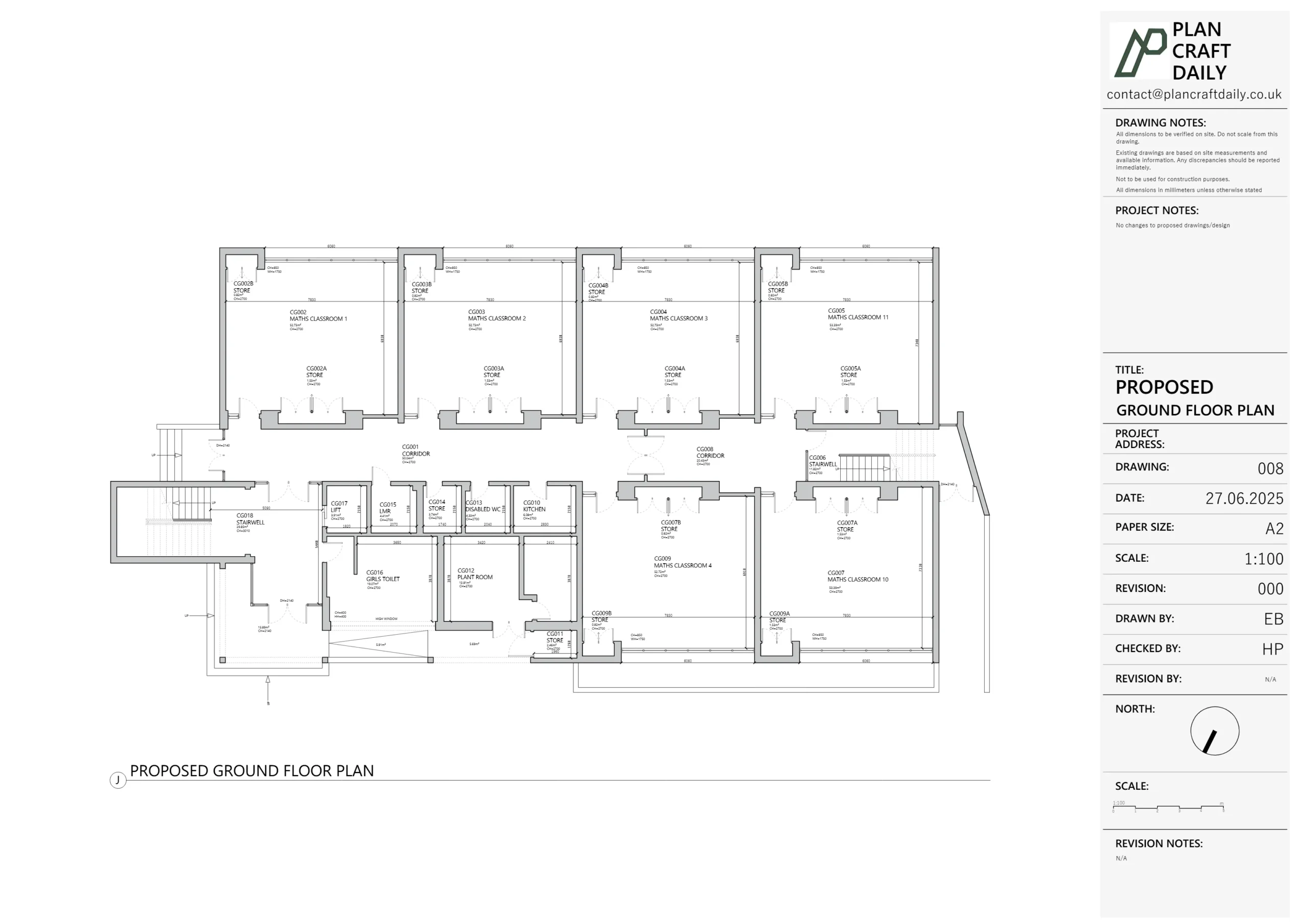
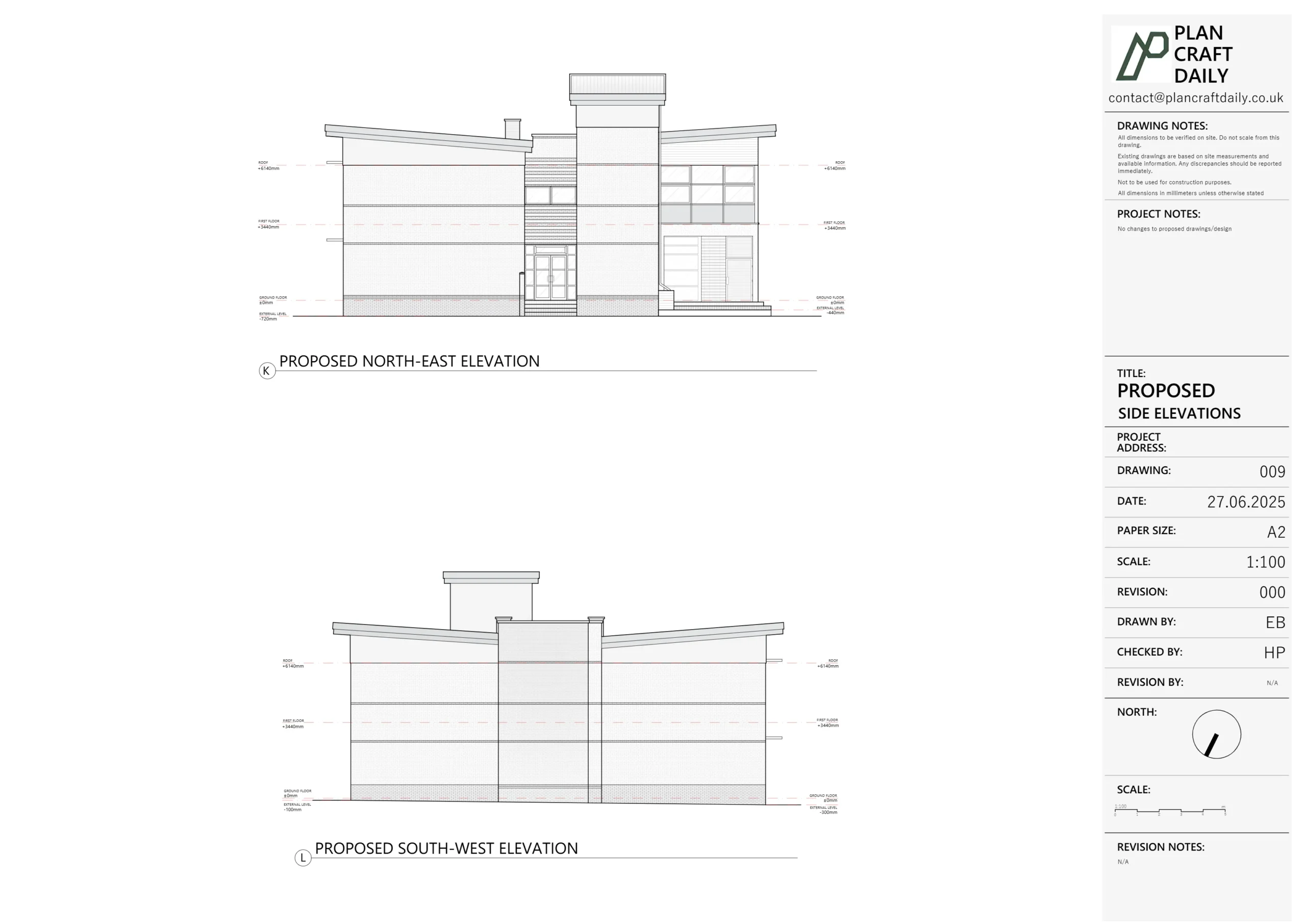
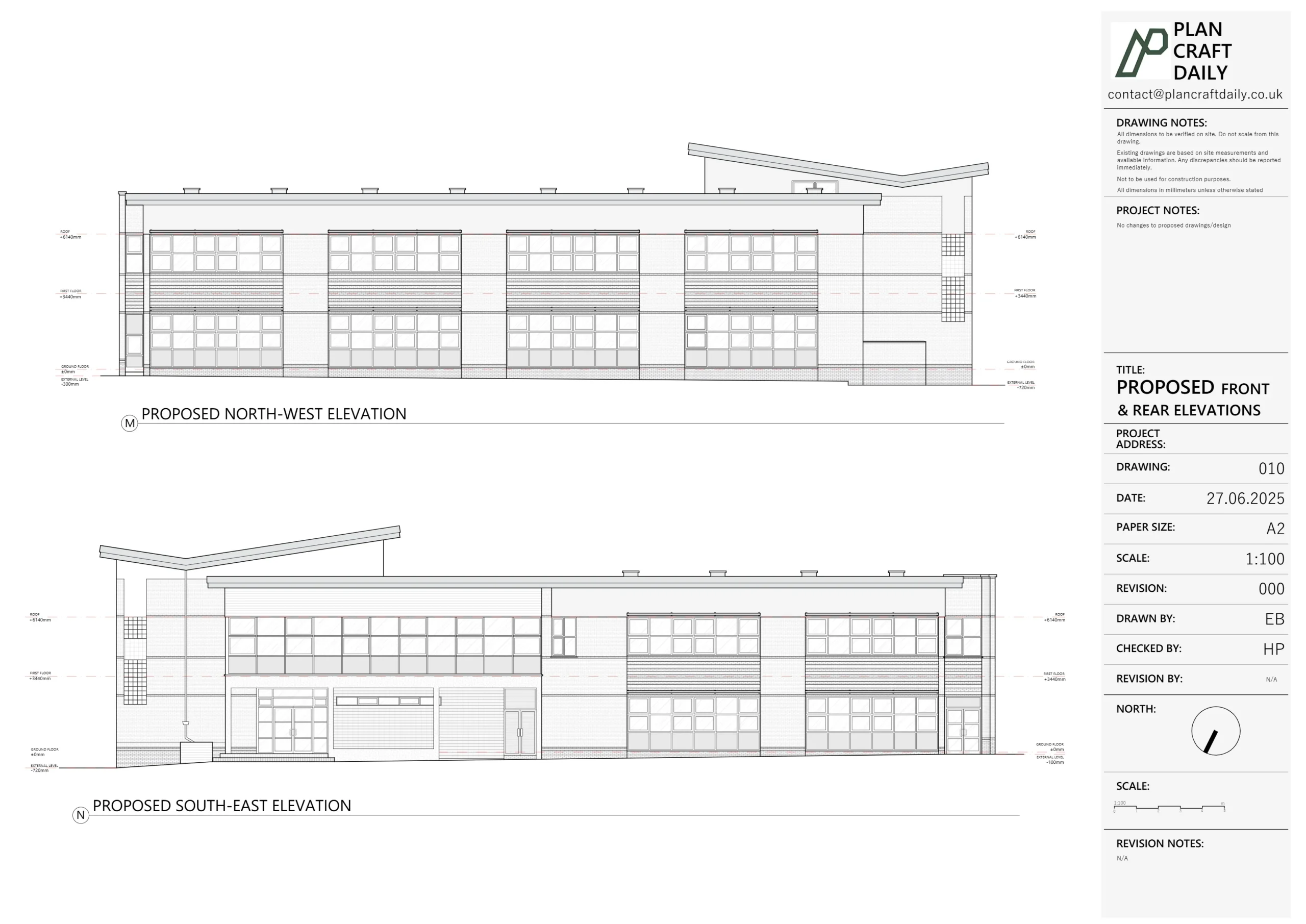
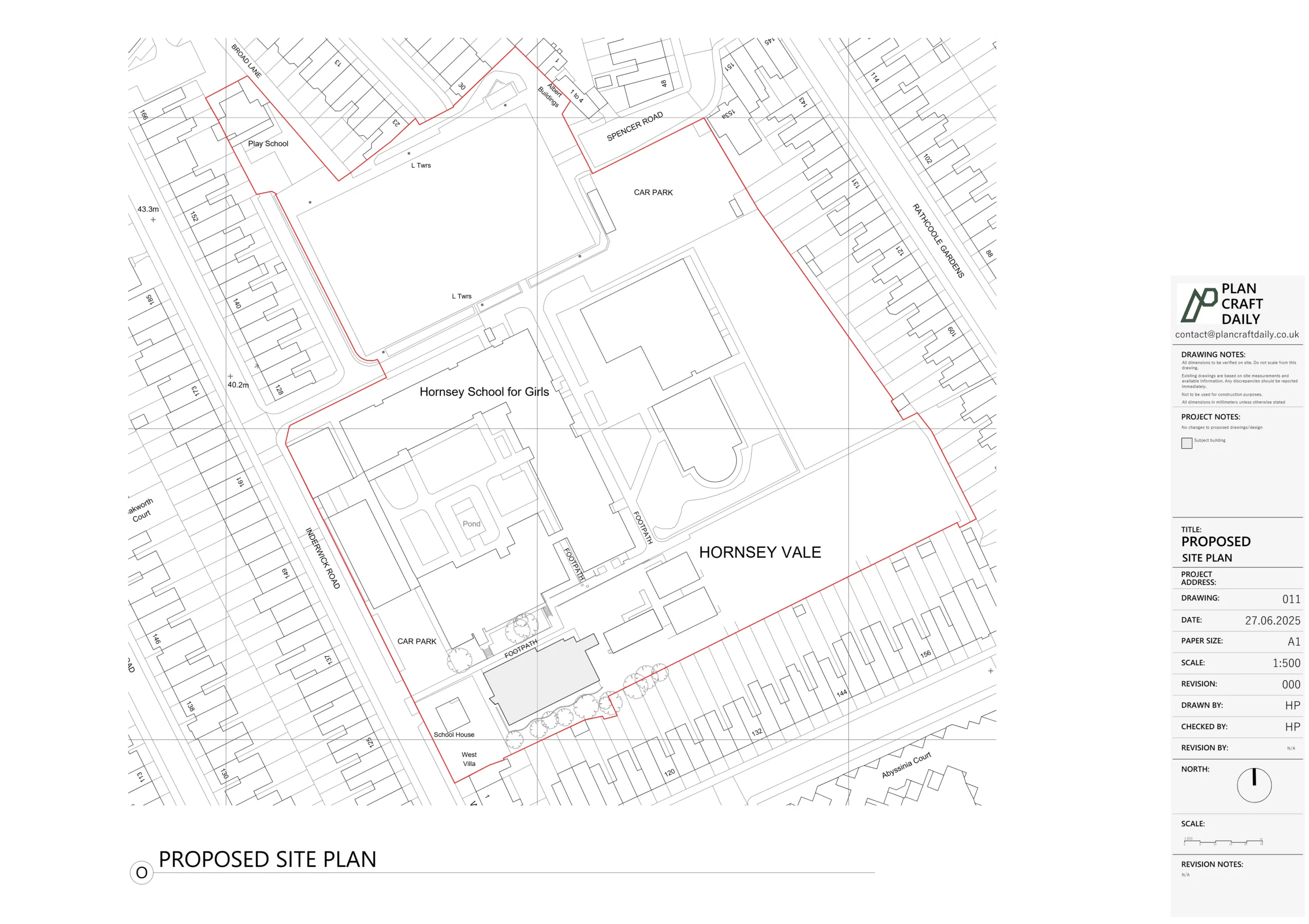
Existing drawings, also known as as-built plans, are detailed representations of a building’s current state. These documents capture essential elements such as:
Floor layouts
Structural components
Electrical and plumbing systems
Design elements and dimensions
They act as a starting point for architects and designers to plan future modifications without losing sight of the building’s original essence.
Why Existing Drawings Are Crucial for Businesses
1. Preserving Historical Integrity
For businesses operating in heritage buildings or spaces with sentimental value, existing drawings ensure that renovations respect the original architecture. They help balance modern updates with historical significance.
2. Cost-Effective Planning
With accurate existing drawings, project teams can identify potential challenges and opportunities early. This reduces the risk of costly mistakes and ensures efficient use of resources.
3. Supporting Seamless Renovations
Whether you’re updating your office layout or repurposing a retail space, existing drawings provide a clear blueprint for smooth transitions. They minimize disruptions and ensure consistency throughout the process.
4. Aligning with Brand Values
By incorporating elements from your business’s physical history, you can reinforce your brand identity. This can evoke trust and loyalty among clients and stakeholders who value your company’s authenticity.
How Existing Drawings Drive Design Excellence
1. Creating Continuity in Design
Using existing drawings, architects can blend old and new elements seamlessly. This creates a cohesive design that honors the past while embracing the future.
2. Enabling Customization
With detailed documentation, businesses can tailor renovations to meet specific operational needs without compromising the building’s integrity.
3. Facilitating Compliance
Existing drawings help ensure that all renovations adhere to local building codes and regulations, avoiding potential legal and safety issues.
4. Inspiring Innovation
Knowing the limitations and possibilities of a space encourages creative solutions. Existing drawings inspire innovative designs that maximize the potential of your property.
Steps to Leverage Existing Drawings for Business Projects
1. Conduct a Detailed Survey
Start by updating existing drawings with precise measurements and current conditions. Engage professionals to conduct a thorough survey of the space.
2. Collaborate with Experts
Work closely with architects and designers who specialize in incorporating historical elements into modern designs. Their expertise will ensure a harmonious outcome.
3. Use Advanced Tools
Utilize tools like AutoCAD and Building Information Modeling (BIM) to enhance the accuracy and efficiency of your design process.
4. Maintain Documentation
Preserve updated drawings for future use. These documents will continue to be valuable for subsequent projects and maintenance.
Conclusion
Existing drawings are more than just technical documents; they are a testament to your business’s history and growth. By respecting and utilizing these plans, you can create spaces that honor your legacy while preparing for the future.
Ready to transform your space with respect for its past? Contact us today for professional services in existing drawings and renovations tailored to your unique business needs.